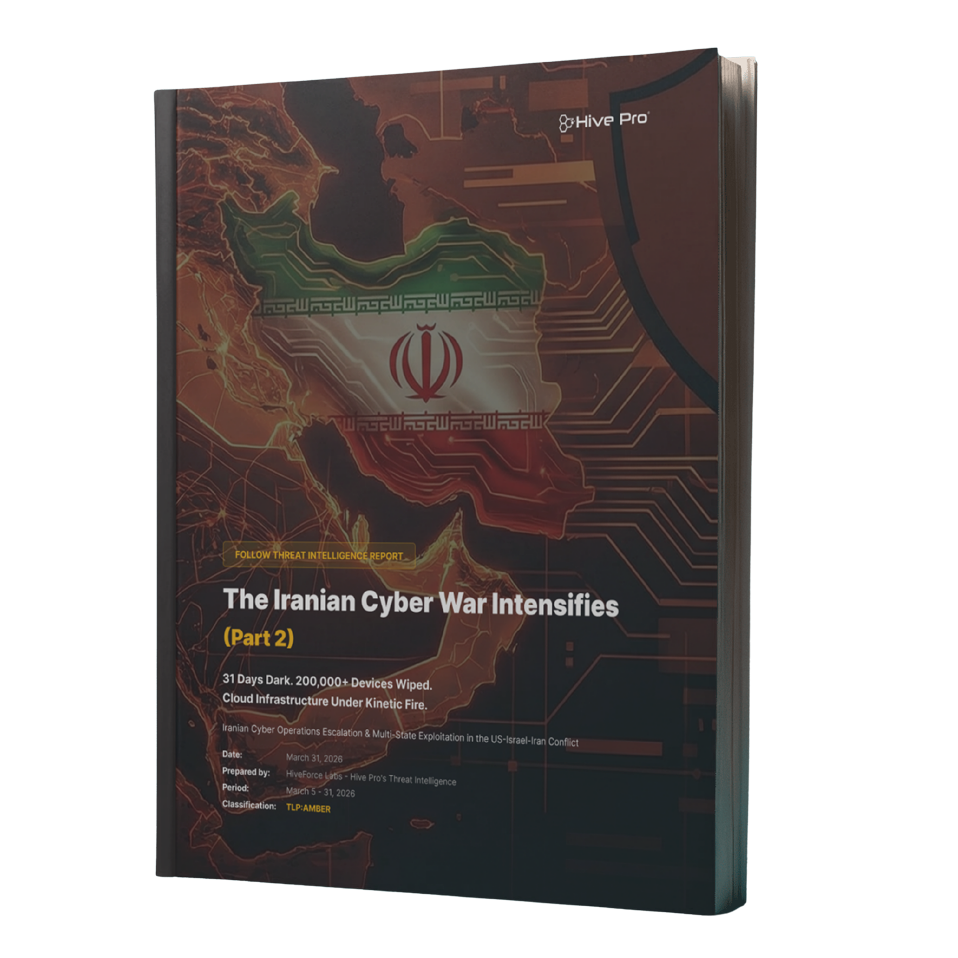
 Critical Threat Research : The Iranian Cyber War Intensifies!


Comprehensive Threat Exposure Management Platform

The traditional approach to vulnerability management has long followed a familiar pattern: security teams log into their vulnerability management platforms, run scans, generate reports, analyze findings, and then prioritize remediation efforts. Rinse and repeat. While this on-demand model has served us adequately for meeting compliance, it’s increasingly clear that it wasn’t designed for the velocity and scale of today’s threat landscape.
The problem is the disbalance between the attackers relentless testing to breach vs defenders irregular manual testing of defenses approach. Between the times we actively check our dashboards and triggering scans and simulations, critical events are occurring: scans are completing, new advisories are being published, high-severity vulnerabilities are being detected. By the time we log in to review them, precious hours or even days may have passed increasing the exposure to attackers.
Consider what happens in the current model when a critical vulnerability is discovered in a widely-used component within your infrastructure. Your vulnerability management platform completes its scan at 2 AM and identifies 47 instances of the vulnerable software across your environment. But your security team doesn’t discover this until their morning review at 9 AM, or worse, during their weekly vulnerability review meeting three days later. Meanwhile, threat actors are already scanning the internet for exposed systems, and the window for exploitation is rapidly closing.
This isn’t a hypothetical scenario. In the aftermath of critical vulnerabilities like Log4Shell, the difference between organizations that responded within hours versus those that took days often came down to how quickly they became aware of their exposure. The vulnerability management platform had the data, but the information wasn’t flowing to the people who needed to act on it.
At Hive Pro, we’ve been wrestling with this challenge alongside our customers. How do you transform a continuous threat exposure management platform from something that holds intelligence into something that actively drives action? The answer led us to build event-driven architecture directly into the Hive Pro platform.
Rather than waiting for security teams to extract insights from dashboards and deal with raw CVEs with no context, we wanted the platform to work proactively on behalf of security teams, responding to events as they occur and routing critical information to the right stakeholders at exactly the right moment.
Let me share how we’ve implemented this vision in the Hive Pro platform, and I’d genuinely love to hear whether this resonates with your daily experiences.
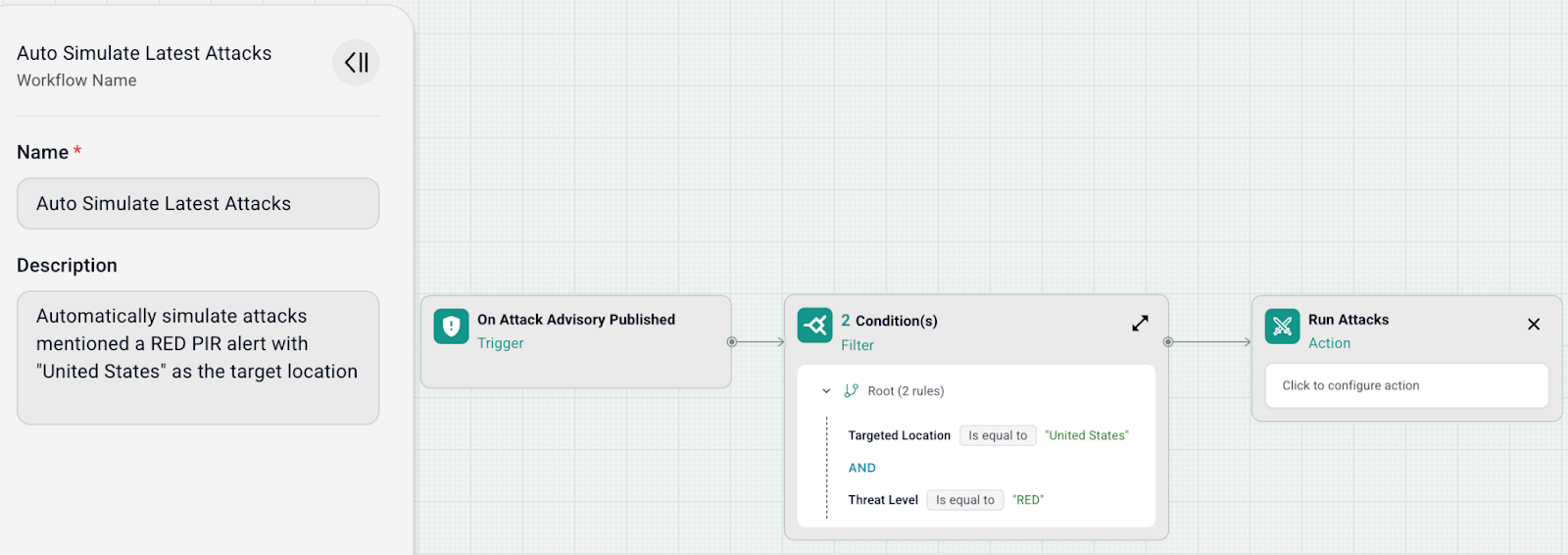
When a new threat advisory is published that affects your specific industry, geography, technical stack, or existing vulnerabilities, Hive Pro can automatically trigger breach and attack simulations. Instead of manually determining whether a new advisory requires validation testing, the platform understands your unique context and proactively validates your actual exposure.
Does this address the gap between “we might be vulnerable” and “we are exploitable”? Does automating this validation save you critical time?
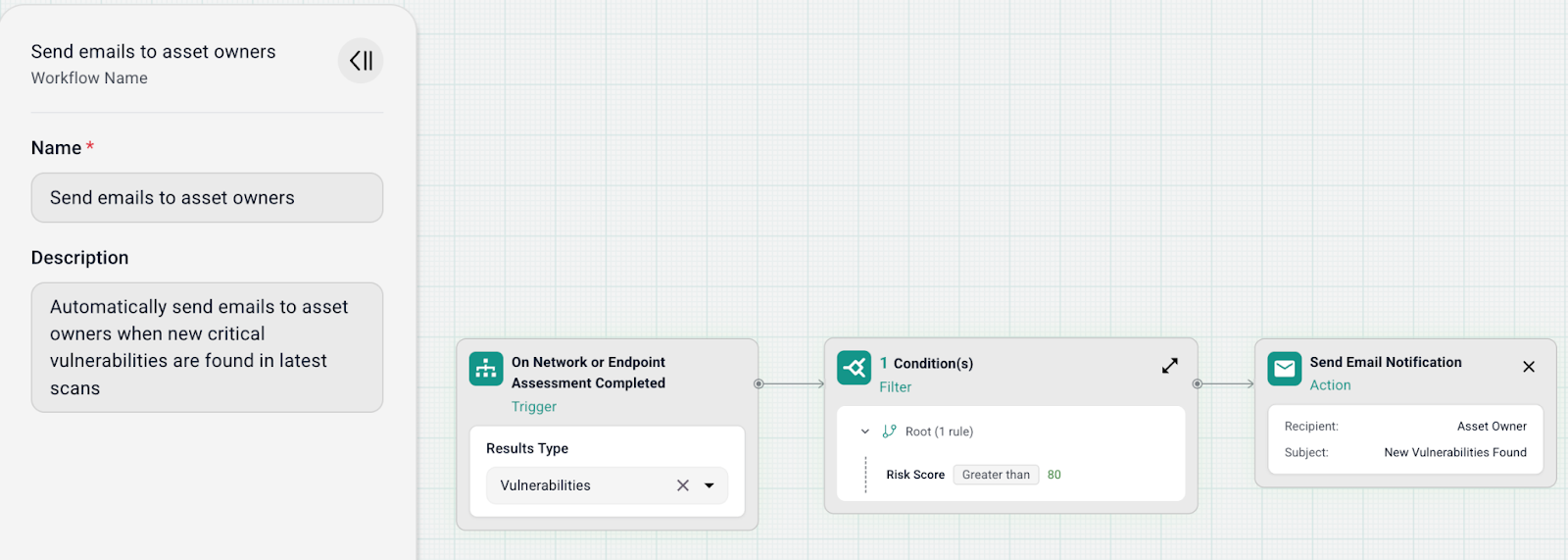
Configure workflows that generate reports containing only vulnerabilities matching specific criteria—say, those with risk scores exceeding 80—and automatically route them to the corresponding asset owners via email. No more massive spreadsheets that overwhelm infrastructure teams. Just actionable intelligence for the systems they’re responsible for.
How would direct-to-asset-owner reporting change accountability and remediation velocity in your organization?
Set up workflows that trigger at specific intervals and automatically email stakeholders with only the vulnerabilities identified since the last run. This creates a continuous cadence of manageable updates rather than overwhelming point-in-time assessments.
Would receiving incremental changes rather than full inventories make vulnerability management feel more achievable?
Configure notifications to CISOs when the overall organizational risk score crosses defined thresholds. This provides strategic visibility without requiring deep platform engagement, alerting leadership exactly when their attention is needed most.
What risk thresholds would matter most to you? When would you want to be pulled into the tactical details?
Receive alerts when assets are due for scans, ensuring continuous visibility doesn’t lapse due to scheduling oversights. The platform remembers so your team doesn’t have to.
How often do scan schedules slip through the cracks during busy periods? Would automated reminders help maintain coverage?
These aren’t rigid, pre-configured alerts. Hive Pro’s event-driven architecture provides configurable workflows that adapt to your organization’s unique needs, risk tolerance, and operational cadence. The same platform flexibility that allows you to define what constitutes “high risk” in your environment also allows you to define what constitutes “notification-worthy.”
This means you can start simple—perhaps with basic scan completion notifications—and gradually build more sophisticated workflows as you understand what drives action versus what creates noise. The system grows with your maturity.
The inspiration for this approach came directly from conversations with security teams who were drowning in data but starving for actionable intelligence delivered at the moment of relevance. We heard repeatedly that the challenge wasn’t accessing information—it was knowing what to look at, when to look at it, and how to get the right information to the right people without constant manual intervention.
But here’s the thing: we’re still learning. Building technology is one thing; ensuring it genuinely improves the daily lives of security professionals is another.
We’d love to hear from you:
Event-driven continuous threat exposure management represents our belief that security platforms should work as hard as the people using them. In an era where threats don’t wait for convenient review cycles, our awareness and response shouldn’t either.
But technology only succeeds when it genuinely serves the people using it. That’s why we’re sharing this approach and inviting honest feedback. Does this model resonate with your reality? Does it solve problems you actually face, or does it introduce new ones we haven’t considered?
The shift from on-demand to event-driven isn’t just a technical evolution—it’s a philosophical one about how security operations should function in an environment of continuous exposure and evolving threats. We believe we’re moving in the right direction with Hive Pro Uni5 Xposure, but we want to make sure that direction aligns with where security teams actually need to go.
We invite CISOs and security practitioners to share their thoughts. Does event-driven CTEM address your challenges? What would make it even more valuable? Your feedback shapes how we evolve continuous threat exposure management.
Connect With Us