 Critical Threat Research : The Iranian Cyber War Intensifies!


Comprehensive Threat Exposure Management Platform
For a detailed threat digest, download the PDF file here
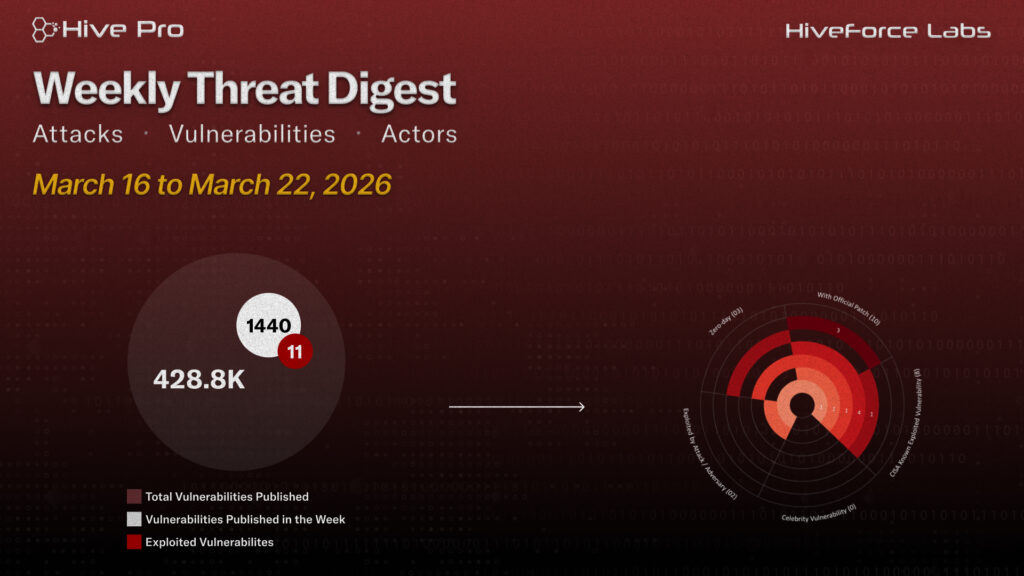
HiveForce Labs has reported a sharp rise in cybersecurity threats, highlighting the increasing complexity and frequency of global cyber incidents. Over the past week, fifteen major attacks were detected, eleven critical vulnerabilities were publicly disclosed, and nine active threat actor groups were monitored, signaling a concerning escalation in malicious activity.
Urgent patching has taken center stage as Google Chrome is actively exploited by CVE-2026-3909 and CVE-2026-3910, exposing weaknesses in Skia and V8 that enable memory corruption and sandbox escape scenarios. At the same time, Cisco FMC’s CVE-2026-20131 is being weaponized as a zero-day by the Interlock ransomware group, allowing unauthenticated attackers to gain root-level code execution via insecure deserialization, underscoring how patch delays are being actively exploited in the wild.
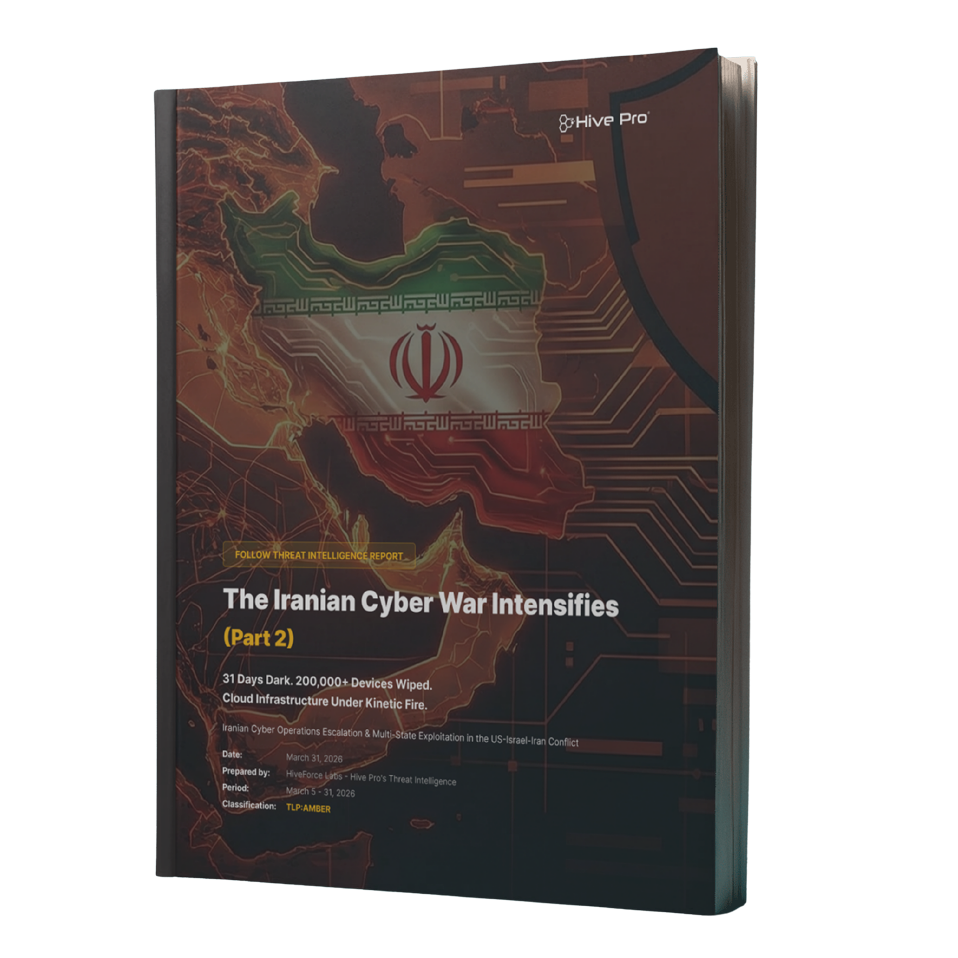
Meanwhile, the US–Israel–Iran conflict has become a catalyst for cyber operations, with threat actors leveraging geopolitical tension as a lure to deploy phishing, credential harvesting, and multi-stage malware campaigns. The LeakNet ransomware group has rapidly evolving tactics, adopting a ClickFix-driven approach for initial access. A significant escalation in cyberattacks since late February 2026 targeting surveillance camera exploitation for real-world military intelligence, blurring the line between cyber and kinetic warfare. Collectively, these developments reinforce a harsh reality: attackers are becoming faster, more adaptive, and increasingly aligned with global events, leaving defenders with little margin for delay.
Subscribe to receive our weekly threat digests and alerts directly in your inbox.