 Critical Threat Research : The Iranian Cyber War Intensifies!


Comprehensive Threat Exposure Management Platform
An attacker doesn’t see a list of CVEs ranked by severity scores. They see a map of opportunities—a series of interconnected weaknesses that create a path to your most valuable assets. They look for the path of least resistance, not necessarily the vulnerability with the highest score. To build a truly resilient defense, security teams need to adopt this same mindset. Chasing every “critical” alert is a losing battle if you can’t see how these issues connect. This is the core principle of a modern security program. By using **cyber exposure management software**, you can start to visualize your environment through an attacker’s eyes, allowing you to prioritize fixes that disrupt entire attack chains.
## Key Takeaways
* **See Your Entire Attack Surface in Real-Time**: You can’t protect what you can’t see. A modern exposure management strategy provides a complete and continuous inventory of all your assets, from cloud instances to on-premise servers, eliminating the dangerous blind spots left by periodic scans.
* **Prioritize Based on Active Threats, Not Just Scores**: A high CVSS score doesn’t always equal high risk. By integrating real-world threat intelligence, you can focus on the vulnerabilities that are actively being exploited by attackers, directing your team’s efforts to the most urgent threats.
* **Validate Your Controls and Automate Remediation**: Don’t just assume your defenses work—test them. Use Breach and Attack Simulation (BAS) to confirm your security controls can stop real-world attack techniques, and then automate workflows to ensure critical fixes are implemented quickly.
## What is Cyber Exposure Management (and How Does It Work)?
Think of Cyber Exposure Management (CEM) as the next evolution of vulnerability management. While traditional scanning looks for known weaknesses on a periodic basis, CEM takes a much more dynamic and comprehensive approach. It’s a continuous process designed to help you discover, prioritize, and fix security gaps across your entire digital landscape—from your on-premise servers to your cloud environments and even third-party services. The goal is to give you a unified, real-time view of your true risk.
Instead of just handing you a long list of vulnerabilities, a CEM platform helps you understand which ones actually pose a threat to your business. It connects the dots between a technical flaw, the asset it affects, and active threats in the wild. This shift allows security teams to move from a reactive, “whack-a-mole” posture to a proactive strategy. By focusing on the exposures that attackers are most likely to exploit, you can direct your resources where they’ll have the greatest impact, effectively shrinking your attack surface and making confident, risk-informed decisions rather than guessing which fire to put out first.
### Why Traditional Vulnerability Scanning Falls Short
If you’ve ever felt overwhelmed by a vulnerability scan report, you already know the problem with traditional methods. These tools are great at finding potential weaknesses, but they often lack the context to tell you what truly matters. Old-school scanning struggles to keep up with modern, dynamic environments, often missing temporary assets or cloud configurations that pop up and disappear. This leaves dangerous blind spots. In fact, many data breaches are linked directly to poorly protected or undiscovered digital assets. The result is a constant state of alert fatigue, where your team spends more time sifting through low-risk findings than fixing the critical exposures that leave you vulnerable.
### What Are the Core Components of Exposure Management?
A strong exposure management program is built on a few key pillars that work together continuously. First is complete asset discovery, which involves mapping your [total attack surface](https://hivepro.com/cyber-asset-attack/) to see every device, application, and cloud instance you own. Next comes intelligent [vulnerability and threat prioritization](https://hivepro.com/vulnerability-threat-prioritization/), which analyzes exposures based on factors like asset criticality and real-world threat intelligence to pinpoint the most urgent risks. Finally, it includes validating these exposures to confirm they are exploitable and providing clear guidance to streamline remediation, ensuring your team can take swift and effective action.
## The Top Cyber Exposure Management Platforms
Choosing the right cyber exposure management platform can feel overwhelming, but it boils down to finding a solution that gives you a clear, unified view of your entire attack surface. The best tools don’t just show you a long list of vulnerabilities; they help you understand which ones actually pose a threat to your business. They connect the dots between your assets, potential weaknesses, and the real-world tactics attackers are using right now. This shift from simply scanning for vulnerabilities to actively managing exposure is what sets modern security programs apart.
The platforms we’ll cover here are leaders in the space because they excel at providing this comprehensive visibility. They move beyond traditional scanning to incorporate threat intelligence, business context, and even attack simulations. This allows security teams to stop chasing every single alert and instead focus their energy on fixing the issues that matter most. Whether you’re looking to streamline remediation, validate your security controls, or simply get a better handle on your overall risk posture, there’s a platform here that can help you get there. Let’s look at some of the top contenders.
### [Hive Pro Uni5 Xposure Platform](https://hivepro.com/uni5-xposure/)
The [Hive Pro Uni5 Xposure Platform](https://hivepro.com/uni5-xposure/) is designed to give security leaders a complete and continuous view of their attack surface, effectively getting rid of dangerous blind spots. The platform’s core strength lies in its ability to help teams move from a reactive to a proactive security posture. It empowers you to proactively manage vulnerabilities by providing a unified view of all your cyber risks in one place. This end-to-end solution covers everything from attack surface scanning and vulnerability prioritization to security control validation and guided remediation. By focusing on imminent risks and active attacks, Hive Pro helps you concentrate your efforts where they’ll have the most impact.
### SentinelOne Singularity™ Platform
SentinelOne’s Singularity™ Platform is known for its broad, AI-powered defense capabilities. It’s a strong choice for teams that need to discover and secure every corner of their network, including previously unknown devices. The platform allows organizations to not only identify potential exposures but also to [respond to threats](https://www.sentinelone.com/platform/) in real-time. By integrating endpoint protection with exposure management, SentinelOne provides a powerful combination of visibility and active defense. This approach helps security teams quickly contain threats as they emerge, reducing the window of opportunity for attackers and minimizing potential damage.
### Tenable Exposure Management Suite
Tenable is a well-established name in vulnerability management, and its Exposure Management Suite builds on that foundation. The platform continuously identifies assets across your environment and correlates them with real-time threat data. A key feature is its use of [threat intelligence](https://www.tenable.com/products/tenable-one) to assess the likelihood of a specific vulnerability being exploited in the wild. This context is crucial for effective prioritization, as it helps teams distinguish between a theoretical weakness and a clear and present danger. For organizations that need deep, continuous visibility into their assets and vulnerabilities, Tenable offers a robust and data-rich solution.
### Vulcan Cyber
Vulcan Cyber excels at bringing order to the chaos of vulnerability data. The platform aggregates information from your various security and IT tools, creating a single source of truth for your exposure management program. From there, it helps you prioritize risks based on business context and provides clear, actionable steps to remediate the issues. This focus on remediation is a major advantage, as it helps bridge the common gap between security teams who find problems and IT teams who need to fix them. It’s a vital tool for organizations looking to create a more efficient and collaborative remediation workflow.
### ServiceNow Vulnerability & Risk Module
For organizations already embedded in the ServiceNow ecosystem, the Vulnerability & Risk Module is a natural fit. Its biggest strength is its seamless integration with IT service management (ITSM) workflows. The platform connects vulnerability data directly with IT issues, which dramatically streamlines the patch management process. It also helps link security events with compliance requirements, making it easier to manage GRC (governance, risk, and compliance) obligations. By embedding vulnerability response into existing IT processes, ServiceNow helps organizations fix weaknesses faster and more efficiently.
### CrowdStrike Falcon Exposure Management
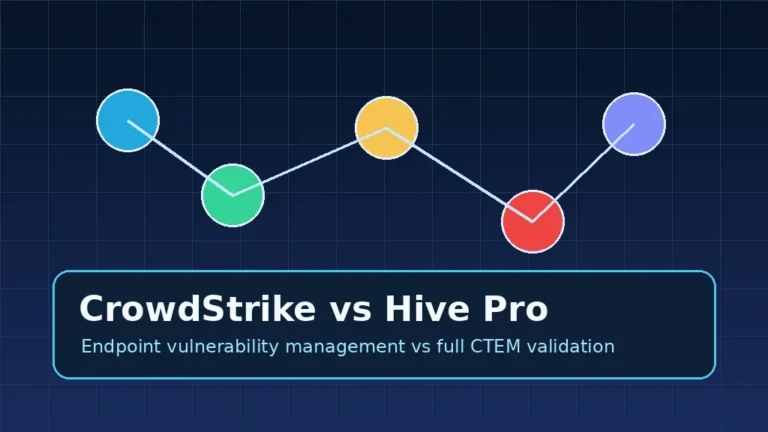
CrowdStrike’s Falcon Exposure Management platform provides a comprehensive view of risk by connecting data from internal systems with external scans of your websites and brand presence. This inside-out, outside-in approach ensures you have visibility into your entire digital footprint. The platform identifies new vulnerabilities as they appear and leverages CrowdStrike’s renowned [threat intelligence](https://www.crowdstrike.com/products/exposure-management/) to detect active attacks. This makes it a powerful option for security teams who need to defend against sophisticated threats across both their internal infrastructure and their external-facing assets.
### Picus Security
Picus Security takes a different approach by focusing on validating your defenses through simulated attacks. The platform continuously evaluates your security controls against the latest threats to identify gaps and weaknesses before a real attacker can exploit them. This Breach and Attack Simulation (BAS) capability is combined with a real-time view of your external systems to provide a practical, evidence-based assessment of your security posture. For teams that want to move beyond theoretical risk and test their defenses against real-world attack scenarios, Picus offers a proactive and insightful solution.
### AttackIQ
Similar to Picus, AttackIQ uses attack simulations to provide a clear and continuous picture of your security posture. The platform helps you verify that your security controls are configured correctly and working as expected. It runs thousands of tests based on known adversary behaviors, giving you data-driven insights into where you are most vulnerable. AttackIQ then links these test results with external scanning data to provide a comprehensive view of your organization’s readiness. It’s an excellent choice for security leaders who need to validate their security investments and demonstrate measurable improvements in their defense capabilities over time.
## How Do the Top Solutions Stack Up? A Feature Comparison
When you’re evaluating different cyber exposure management platforms, it’s easy to get lost in marketing jargon. To cut through the noise, let’s focus on the core capabilities that truly make a difference. The best solutions don’t just find problems; they provide a clear, actionable path from discovery to remediation. They give you a continuous, 360-degree view of your environment and help you answer the most important question: “What do I need to fix *right now* to prevent a breach?”
Think of it this way: a great platform tells a complete story. It starts by showing you everything you own, highlights the most critical characters (your vulnerable assets), introduces the villain (the active threats), and then gives you the playbook to write a secure ending. Here’s a breakdown of the key features that separate the leaders from the rest of the pack.
### Mapping Your Attack Surface
You can’t protect what you can’t see. That’s why the foundation of any strong exposure management program is a complete and continuously updated inventory of your entire attack surface. This goes far beyond traditional vulnerability scanning. The top platforms focus on continuous discovery across all your digital environments—from on-prem servers and cloud instances to IoT devices and web applications. They provide a unified view of every asset, giving you a single source of truth. This comprehensive [attack surface management](https://hivepro.com/cyber-asset-attack/) is what allows you to move from periodic scans to a real-time understanding of your exposure.
### Prioritizing Real-World Risks
Not all vulnerabilities are created equal. A critical CVSS score on a non-essential, internal server is far less urgent than a medium-risk vulnerability on your primary payment gateway. Leading platforms understand this. They figure out which problems are most dangerous based on how likely they are to be attacked and how important the affected system is. This intelligent [vulnerability and threat prioritization](https://hivepro.com/vulnerability-threat-prioritization/) combines data on asset criticality, exploitability, and active threats to surface the issues that pose a genuine risk to your business. This helps your security teams stop chasing every alert and focus on fixing the most critical issues first.
### Integrating Threat Intelligence
Context is everything in cybersecurity. A vulnerability is just a theoretical weakness until a threat actor decides to exploit it. That’s why the best exposure management solutions integrate real-world threat intelligence directly into their analysis. They use this intelligence to inform risk assessments, guide prioritization, and shape mitigation strategies. Look for platforms that leverage their own in-house research teams, like [HiveForce Labs](https://hivepro.com/hiveforce-labs/), to provide up-to-the-minute insights on which vulnerabilities are being actively used in attacks. This helps you understand the “why” behind a vulnerability, not just the “what.”
### Simulating Real-World Attacks
How do you know if your security controls will hold up against a real attack? You test them. Modern exposure management platforms incorporate Breach and Attack Simulation (BAS) to validate your defenses. Instead of just telling you a system is vulnerable, these tools simulate the exact techniques attackers use to see if they can bypass your firewalls, EDR, and other controls. This [adversarial exposure validation](https://hivepro.com/security-control-validation/) combines automated penetration testing with a real-time view of your systems, showing you the exact attack paths a hacker could take. It’s the difference between knowing you have a weak lock and knowing someone can actually pick it.
### Streamlining Your Remediation Workflow
Finding vulnerabilities is only half the battle; fixing them is what reduces risk. The top solutions bridge the gap between security and IT operations by streamlining the entire remediation process. A platform should help you decide which fixes are most important, who should handle them, and then send the tasks directly to the right teams in their preferred tools, like Jira or ServiceNow. By automating ticket creation, tracking progress, and verifying fixes, these platforms ensure that critical vulnerabilities are addressed quickly and efficiently, closing the loop on your exposure management lifecycle.
## The Biggest Benefits of Cyber Exposure Management
Shifting from traditional vulnerability management to a comprehensive cyber exposure management strategy is more than just a change in terminology—it’s a fundamental change in how you approach security. Instead of reacting to an endless list of vulnerabilities, you start proactively shrinking your attack surface based on real-world risk. This approach helps you get ahead of attackers by seeing your organization through their eyes.
The core idea is to move beyond simple scanning and gain a complete, continuous understanding of your entire digital footprint. By connecting the dots between assets, vulnerabilities, threat intelligence, and business context, you can finally focus your team’s limited time and resources on the issues that truly matter. This not only strengthens your security posture but also makes your security operations more efficient and aligned with business goals. Adopting an exposure management mindset allows you to answer the most critical question: “Which of these thousands of vulnerabilities should we fix *right now*?”
### Gain Continuous Visibility of Your Assets
You can’t protect what you don’t know you have. In today’s complex IT environments, assets are scattered across on-premise data centers, multiple cloud providers, and partner networks, creating significant blind spots. A key benefit of exposure management is its ability to provide a complete and continuously updated inventory of all your digital assets. This isn’t a quarterly scan; it’s a real-time view of your entire [attack surface](https://hivepro.com/cyber-asset-attack/). By discovering and cataloging everything from servers and endpoints to cloud instances and web applications, you eliminate the unknown risks that attackers love to exploit. This comprehensive visibility is the foundation upon which all other security activities are built, ensuring no weak spots are left hidden.
### Prioritize Vulnerabilities Based on Actual Risk
Drowning in a sea of CVEs is a common struggle for security teams. Traditional vulnerability scanners often produce overwhelming reports, leaving you to sort through thousands of “critical” findings with little context. Cyber exposure management cuts through the noise by prioritizing vulnerabilities based on actual risk. It enriches raw vulnerability data with crucial context, such as active threat intelligence, the business criticality of the affected asset, and whether an exploit is available in the wild. This allows you to focus on the handful of vulnerabilities that pose a genuine threat to your organization. This intelligent [threat prioritization](https://hivepro.com/vulnerability-threat-prioritization/) means your team spends its time fixing what matters most, rather than chasing down low-risk issues.
### Proactively Reduce Your Threat Exposure
Instead of constantly putting out fires, exposure management allows you to practice fire prevention. By understanding which parts of your infrastructure are most exposed and attractive to attackers, you can take proactive steps to reduce your overall threat exposure. This involves more than just patching; it includes validating security controls, adjusting configurations, and implementing compensating measures to protect critical assets. This proactive stance not only hardens your defenses against attack but also helps you maintain compliance with industry regulations like GDPR, HIPAA, and PCI-DSS. A platform like [Uni5 Xposure](https://hivepro.com/uni5-xposure/) provides the insights needed to methodically shrink your attack surface and demonstrate a mature, risk-informed security program.
### Streamline Your Security Operations
Effective security is a team sport, but disconnected tools and processes often create friction between security, IT, and DevOps teams. Cyber exposure management platforms break down these silos by providing a single, unified view of risk and remediation. They streamline workflows by automatically routing remediation tasks to the correct asset owners with clear, actionable guidance. This eliminates the endless email chains and spreadsheet tracking that slow down response times. By automating ticketing, tracking, and reporting, you free up your security analysts from manual, repetitive tasks. This allows them to focus on more strategic initiatives, like threat hunting and security architecture, making your entire security operation more efficient and effective.
## From Theory to Practice: How [Breach and Attack Simulation (BAS)](https://hivepro.com/blog/breach-attack-simulation-bas/) Transforms Vulnerability Management
Knowing you have vulnerabilities is one thing; knowing if they can actually be exploited in your environment is another. This is where Breach and Attack Simulation (BAS) comes in, shifting your vulnerability management program from a theoretical exercise to a practical, hands-on defense strategy. Instead of just relying on vulnerability scores and reports, BAS lets you safely run simulated attacks to see exactly how your defenses hold up against real-world tactics.
This proactive approach is a game-changer. It’s like having a dedicated sparring partner for your security controls, constantly testing your posture and revealing weak spots before an actual adversary can. By integrating BAS, you’re not just managing a list of potential problems; you’re actively validating your defenses and understanding your true exposure. This continuous feedback loop is essential for moving beyond reactive patching and toward a state of proactive cyber resilience. Hive Pro’s approach to [adversarial exposure validation](https://hivepro.com/security-control-validation/) embeds this principle, helping you test and strengthen your controls against the threats that matter most. By simulating attacker behavior, you can finally answer the critical question: “Are we secure right now?”

### Validate Your Security Controls in Real-Time
Think of your security stack—firewalls, EDR, email gateways—as your digital immune system. You assume it’s working, but how can you be sure? BAS tools provide the answer by continuously assessing your defenses. They run automated, safe attack simulations that mimic the techniques used by actual threat actors. This allows you to see in real-time if a specific control would block a known attack technique or if a misconfiguration has left a door wide open. It’s a continuous, evidence-based way to ensure your security investments are performing as expected and to [identify weaknesses](https://www.cycognito.com/learn/exposure-management/) before they become breach points.
### Pinpoint Exploitable Attack Paths
Attackers don’t just exploit a single vulnerability; they chain them together to create an attack path from the perimeter to your most critical assets. A low-priority vulnerability on a public-facing server might seem insignificant on its own, but it could be the first step in a sequence that leads to a major breach. BAS solutions help you [visualize these potential pathways](https://www.brinqa.com/blog/why-exposure-management-matters-real-world-stories-of-risk-done-right) by simulating multi-stage attacks. By seeing your environment through an attacker’s eyes, you can pinpoint the most critical choke points and prioritize the vulnerabilities that truly put your organization at risk, rather than just chasing high CVSS scores.
### Move from Theoretical to Practical Risk Assessment
Traditional vulnerability management often leaves teams with a mountain of theoretical risks—long lists of CVEs with scores that lack real-world context. BAS transforms this by providing practical, concrete evidence of what is actually exploitable in your specific environment. This shift from theoretical to practical risk assessment is crucial for focusing your team’s limited time and resources. Instead of guessing which vulnerabilities to patch first, you can act on definitive proof. Platforms that integrate BAS into a broader [exposure management framework](https://hivepro.com/uni5-xposure/) give you a unified view, combining vulnerability data with attack path analysis to show you exactly where to focus your remediation efforts for the biggest impact.
## Why Threat Intelligence is a Must-Have for Focused Exposure Management
Let’s be honest: a long list of vulnerabilities is just a list of problems. Without context, it’s nearly impossible to know where to start. This is where threat intelligence changes the game entirely. Instead of just knowing what *could* go wrong, you start to understand what attackers are *actually doing* right now. Integrating real-time threat data into your exposure management program is the difference between guessing what to fix and knowing what to fix first.
By layering in data on active exploits, threat actor tactics, and trending campaigns, you can see which of your vulnerabilities pose a clear and present danger. This intelligence-led approach helps you cut through the noise of thousands of low-risk alerts and focus your team’s limited time and resources on the exposures that truly matter. It transforms your vulnerability management from a reactive, compliance-driven chore into a proactive, threat-informed defense strategy. The insights from a dedicated research team, like [HiveForce Labs](https://hivepro.com/hiveforce-labs/), provide the crucial context needed to make confident, risk-based decisions.
### Understand Active Threat Campaigns
Threat actors don’t think in terms of single CVEs; they think in campaigns. They chain together multiple exploits and tactics to achieve their goals. A strong threat intelligence feed gives you visibility into these active campaigns, showing you how different vulnerabilities are being used in the wild. This perspective helps you understand the attacker’s playbook and anticipate their next move. Instead of just patching an isolated vulnerability, you can see how it fits into a larger attack path and take steps to disrupt the entire chain, making your defenses much more resilient.
### Prioritize Vulnerabilities Under Active Attack
Your scanner might flag a hundred critical vulnerabilities, but how many of them have known exploits being used by attackers today? Threat intelligence answers that question directly. It uses real-time data to pinpoint which weaknesses are most likely to be targeted, helping your team focus on the biggest dangers first. This is the core of effective [vulnerability and threat prioritization](https://hivepro.com/vulnerability-threat-prioritization/). When you know a specific vulnerability is part of an active ransomware campaign targeting your industry, it immediately jumps to the top of the remediation list, regardless of its base CVSS score.
### Contextualize Risk with Real-World Data
Threat intelligence enriches your vulnerability data with real-world context, turning abstract scores into tangible business risks. By ingesting findings from your existing tools and layering in details about the threat actors, their motivations, and their preferred targets, you can see the toxic combinations that represent actual danger to your organization. This context is crucial for communicating risk to leadership and making the case for resources. It helps you answer not just “What is the vulnerability?” but “Who is trying to exploit it, why are they targeting us, and what is the potential business impact?”
## How to Choose the Right Platform: Key Features to Look For
Selecting the right cyber exposure management platform isn’t just about ticking boxes on a feature list. It’s about finding a partner that fits into your existing workflow and genuinely makes your security program more effective. The market is full of options, but the best solutions share a few non-negotiable characteristics. As you evaluate different platforms, focus on how they address the complete lifecycle of exposure management—from discovery to remediation. A tool that excels in one area but fails in another will only create new gaps in your defenses. Look for a unified platform that provides a single source of truth, helping your team move from chasing alerts to proactively reducing risk.
### Comprehensive Asset Discovery
You can’t protect what you don’t know you have. Your first requirement should be a platform that offers a complete and continuous view of your entire digital footprint. This means discovering every asset, from on-premise servers and employee laptops to cloud instances, IoT devices, and third-party services. Modern IT environments are dynamic, with assets spinning up and down constantly. A top-tier platform provides a [total attack surface management](https://hivepro.com/cyber-asset-attack/) capability that keeps pace with this change, ensuring you have an accurate, up-to-the-minute inventory. Without this foundational visibility, any subsequent risk assessment will be incomplete and unreliable.
### Advanced Risk Prioritization
Not all vulnerabilities are created equal. A platform that just spits out a long list of CVEs ranked by CVSS scores isn’t helping you focus your efforts. Look for a solution that provides advanced [vulnerability and threat prioritization](https://hivepro.com/vulnerability-threat-prioritization/) by adding critical context. This includes factoring in real-world threat intelligence to see which vulnerabilities are actively being exploited in the wild, understanding the business criticality of the affected asset, and identifying the presence of mitigating controls. This multi-faceted approach helps you pinpoint the true risks to your organization, allowing your team to address the most dangerous exposures first.
### Seamless Integration with Your Security Stack
A new security tool should act as a force multiplier, not another isolated data silo. The right exposure management platform will integrate smoothly with your existing security ecosystem. This means it should have robust APIs and pre-built connectors for your SIEM, SOAR, EDR, and ticketing systems. When your exposure management platform can share data and orchestrate actions with your other tools, you create a more cohesive and responsive security operation. This integration capability ensures that critical risk information gets to the right people and systems without manual intervention, streamlining your entire security workflow.
### Smart Automation and Remediation Workflows
Finding vulnerabilities is only half the battle; fixing them is what matters. A key feature to look for is intelligent automation that simplifies and accelerates the remediation process. The platform should do more than just identify a problem—it should help you solve it. This includes automatically creating detailed tickets in systems like Jira, assigning them to the correct teams, and providing clear, actionable guidance on how to fix the issue. By automating these workflows, you can eliminate manual hand-offs, reduce human error, and significantly shorten the time it takes to close critical security gaps.
### Scalability and Performance
As your organization grows, so does its attack surface. The exposure management platform you choose must be able to scale effortlessly to handle an increasing number of assets and a growing volume of data without a drop in performance. Whether you’re a mid-sized company or a large global enterprise, the platform needs to conduct scans and process data efficiently across distributed networks. Ask potential vendors about their architecture and how they handle large-scale deployments. A solution that slows down or becomes unstable under pressure will quickly become more of a hindrance than a help.
### An Intuitive Interface and Clear Reporting
Exposure management involves a wide range of stakeholders, from hands-on security analysts to C-level executives. The platform must present complex data in a way that is clear and understandable to everyone. Look for a solution with an intuitive user interface and customizable dashboards that allow different users to see the information most relevant to them. Effective reporting is also crucial for tracking progress, demonstrating the value of your security program, and communicating your organization’s risk posture to leadership. The ability to generate clear, concise reports is a hallmark of a mature platform.
## Common Myths About [Exposure Management](https://hivepro.com/blog/exposure-management-guide/), Busted
Let’s clear the air. The path to a stronger security posture is often cluttered with outdated ideas and misconceptions. When it comes to exposure management, these myths can keep your team stuck in a reactive cycle, chasing alerts instead of getting ahead of threats. By busting these common myths, you can build a clearer, more effective strategy for reducing your organization’s real-world risk.
### Myth: Traditional Vulnerability Scanning is “Good Enough”
For years, traditional vulnerability scanning has been the bedrock of security programs, and for good reason. It’s a crucial first step. But thinking it’s the *only* step you need is a risky assumption. Today’s digital environments are constantly changing, and a simple scan only gives you a snapshot in time. Exposure management offers a more complete picture by focusing on [continuous discovery](https://www.sentinelone.com/cybersecurity-101/cybersecurity/exposure-management-tools/) and prioritizing risks across your entire attack surface. It helps you see not just *that* a vulnerability exists, but how it could actually be exploited in your specific environment, allowing you to focus on what matters most.
### Myth: More Security Tools Always Means Better Protection
It’s easy to fall into the trap of thinking that a bigger security stack means better security. In reality, piling on more tools often leads to more problems, like alert fatigue, integration headaches, and a disjointed view of your security posture. The truth is, the effectiveness of your security isn’t measured by the number of logos on your dashboard. A truly effective [security strategy](https://www.netpluz.asia/what-executives-get-wrong-about-cyber-risk-exposure/) relies on well-integrated tools that work together to provide a single, unified view of your risk. It’s about having the *right* tools, not just *more* tools.
### Myth: Default Settings Provide Adequate Security
Unboxing a new security tool and leaving it on the default settings is like buying a high-performance car and never taking it out of first gear. These out-of-the-box configurations are designed to be a one-size-fits-all starting point, not a tailored security solution. Every organization has a unique IT environment, risk tolerance, and threat landscape. Relying on defaults can leave significant gaps in your defenses. To get the most out of your investment and maintain a [robust security posture](https://www.threatscape.com/cyber-security-blog/five-common-cyber-security-misconceptions/), you need to customize settings and update them regularly to align with your specific needs.
### Myth: Only Large Enterprises Need Exposure Management
This is one of the most dangerous myths out there. Threat actors don’t discriminate based on company size; they look for the path of least resistance. In fact, smaller and mid-sized organizations are often seen as softer targets because they are perceived to have fewer security resources. The reality is that any organization with a digital presence has an attack surface that needs to be managed. [Effective security](https://xmcyber.com/blog/5-ctem-myths-debunked/) is a universal need, and proactive measures like exposure management are just as critical for a growing business as they are for a Fortune 500 company.
## Preparing for Implementation: Common Hurdles to Expect
Adopting a cyber exposure management platform is a huge step toward a more proactive security posture. But let’s be real—any major technology shift comes with its own set of challenges. Knowing what to expect can make the difference between a smooth rollout and a frustrating one. It’s not just about flipping a switch; it’s about changing processes, integrating with your existing environment, and getting your teams on board.
The good news is that these hurdles are common, and with a bit of foresight, you can plan for them. The goal is to move from simply identifying vulnerabilities to actively reducing your exposure in a continuous, manageable way. This involves more than just the security team; it requires a coordinated effort across different departments and a clear strategy for handling the data your new platform will provide. Thinking through these potential roadblocks ahead of time will help you build a solid foundation for your exposure management program and ensure you get the most value from your investment right from the start. We’ll walk through some of the most common challenges you might face, from team alignment to technical integration.
### Aligning Resources and Teams
One of the biggest misconceptions is that exposure management is purely a security team responsibility. To be truly effective, it has to be a team sport. Your IT and DevOps teams are the ones who will be implementing patches and fixing misconfigurations, so they need to be involved from day one. Getting buy-in requires showing them how the platform makes their jobs easier by providing clear, prioritized, and actionable guidance. Think about creating a cross-functional group to oversee the implementation and establish clear lines of communication. When everyone understands their role and sees the value, you move from a siloed approach to a truly collaborative [threat exposure management](https://hivepro.com/uni5-xposure/) program.
### Managing Alert Fatigue
Your security team is likely already overwhelmed with alerts. The last thing you want is a new tool that just adds to the noise. The point of an exposure management platform isn’t to find more problems—it’s to find the *right* problems and help you fix them faster. A common struggle is that teams spend more time trying to fix issues than finding them. Look for a platform that excels at [vulnerability and threat prioritization](https://hivepro.com/vulnerability-threat-prioritization/), using threat intelligence and business context to surface the risks that truly matter. Automating the process of assigning and tracking remediation can also be a huge help, freeing up your team to focus on critical threats instead of administrative tasks.
### Integrating with Legacy Systems
Most organizations don’t have the luxury of building their tech stack from scratch. You probably have a mix of legacy systems, cloud environments, and a dozen different security tools. A new platform that doesn’t play well with others will just create another data silo. Before you commit, map out your existing security and IT infrastructure and confirm that the exposure management solution can integrate smoothly. The goal is to unify your view of risk, not complicate it. A platform that can pull data from your existing scanners and systems gives you a single source of truth, which is crucial for streamlining your security operations and getting a complete picture of your [total attack surface](https://hivepro.com/cyber-asset-attack/).
### Establishing a Continuous Monitoring Process
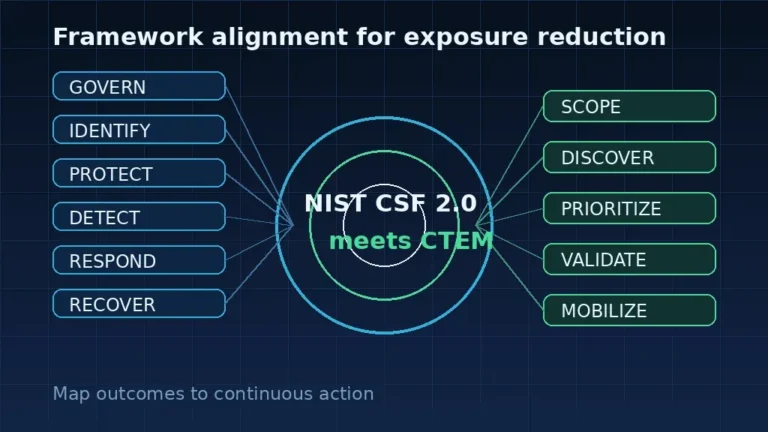
Cyber exposure management isn’t a one-time project; it’s an ongoing cycle. Threats evolve, and your attack surface changes every day as new assets are added or configurations are modified. Your implementation plan needs to go beyond the initial setup and establish a sustainable, continuous process. This loop should include asset discovery, vulnerability scanning, risk prioritization, and remediation tracking. Building this rhythm into your team’s regular workflow is key to moving from a reactive to a proactive security posture. It’s a cultural shift that turns exposure management from an occasional fire drill into a core, everyday business function.
## Related Articles
* [Breach and Attack Simulation (BAS): The Ultimate Guide](https://hivepro.com/blog/breach-attack-simulation-bas/)
* [How BAS Improves Threat Exposure Management](https://hivepro.com/blog/bas-helps-threat-exposure/)
* [How Threat Intelligence Improves Vulnerability Management](https://hivepro.com/blog/threat-intelligence-improves-vulnerability-management/)
* [Mastering Exposure Management: Cybersecurity Best Practices](https://hivepro.com/blog/exposure-management-cybersecurity-best-practices/)
* [Top Benefits of Vulnerability Prioritization](https://hivepro.com/blog/benefits-of-vulnerability-prioritization/)
## Frequently Asked Questions
**Isn’t “cyber [exposure management](https://hivepro.com/blog/exposure-management-cybersecurity-best-practices/)” just a new buzzword for vulnerability management?** That’s a fair question, and it’s easy to see why it comes up. While they’re related, exposure management is a significant evolution. Think of traditional vulnerability management as creating a list of potential problems, like a building inspector listing every cracked window pane. Exposure management, on the other hand, tells you which of those cracked panes is on the ground floor, unlocked, and right next to your most valuable assets. It connects vulnerabilities to your specific business context and active threats to show you your true, exploitable risk.
**My team is already overwhelmed with alerts. Won’t this just add more noise?** This is a huge concern, and it’s actually the exact problem exposure management is designed to solve. Instead of adding to the noise, a good platform cuts through it. By using threat intelligence and understanding which assets are critical to your business, it helps you prioritize the handful of issues that pose a genuine danger. The goal is to shrink your team’s to-do list from thousands of low-context alerts to a short, manageable list of high-impact actions, freeing them from alert fatigue.
**How is Breach and Attack Simulation (BAS) different from a traditional penetration test?** A traditional penetration test is typically a point-in-time engagement performed by consultants, often on an annual or quarterly basis. It gives you a valuable snapshot of your defenses. Breach and Attack Simulation, however, is an automated and continuous process. It constantly tests your security controls against the latest known attack techniques, giving you a real-time, evidence-based understanding of your security posture. It’s the difference between an annual physical and wearing a fitness tracker that monitors your health every single day.
**We already pay for a threat intelligence feed. Why do we need a platform to integrate it?** Having a threat intelligence feed is a great start, but raw data is only useful if you can apply it effectively. An exposure management platform acts as the brain that connects that intelligence to your specific environment. It automatically correlates data about active threats in the wild with the vulnerabilities found on your assets. This operationalizes your threat intelligence, transforming it from a stream of information into a powerful decision-making tool that directly guides your remediation efforts.
**What’s the most important first step to take when shifting from vulnerability scanning to a full exposure management program?** The foundational first step is to get a complete and accurate picture of your entire attack surface. You simply can’t protect what you can’t see. Before you can prioritize risks or simulate attacks, you need a comprehensive and continuously updated inventory of all your assets—from servers and laptops to cloud instances and web applications. Establishing this single source of truth is the bedrock upon which your entire exposure management strategy will be built.
The strongest platforms support threat-informed exposure management by combining exploit data, asset context, and remediation workflows.