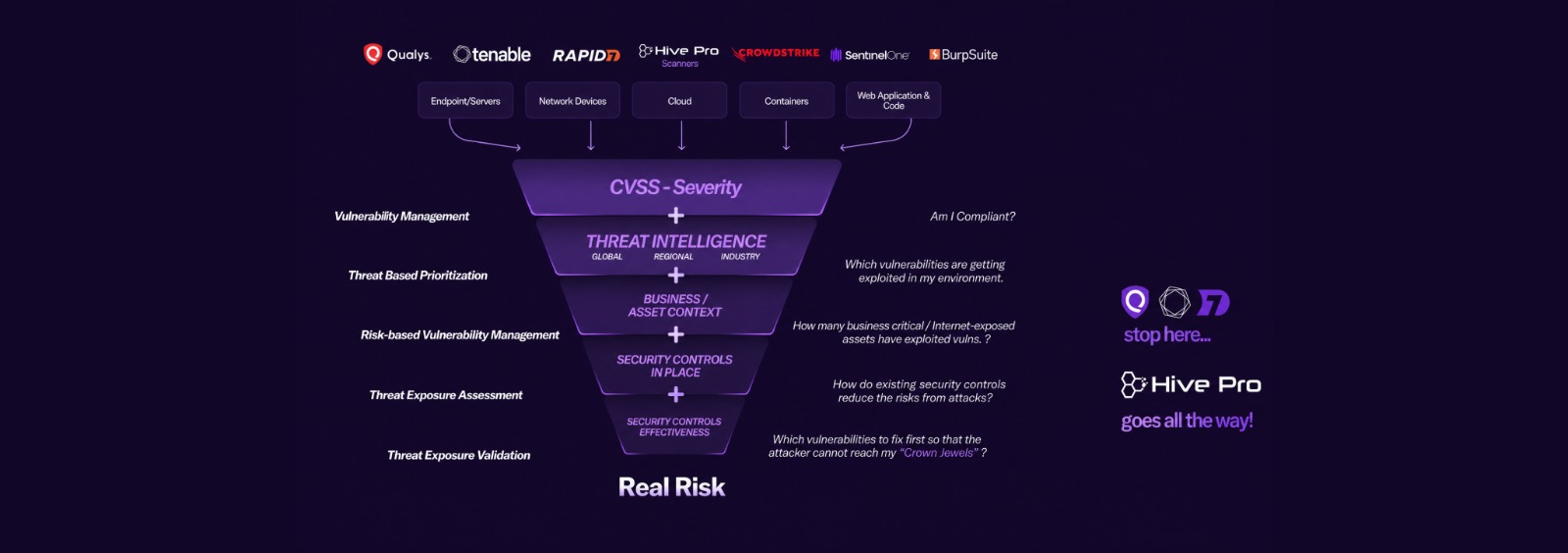
Comprehensive Threat Exposure Management Platform
To truly secure your organization, you have to start thinking like an attacker. An adversary doesn’t care about your endless spreadsheet of CVEs; they look for a single, exploitable path to their objective. So, how do you find that path before they do? You start by using threat intelligence to understand which tactics and vulnerabilities are popular with attackers right now. Then, you use Breach and Attack Simulation (BAS) to safely test those exact attack paths against your own defenses. This proactive, adversarial approach is the heart of a strong security program. It shifts the focus from compliance checklists to real-world resilience, a transition made possible by comprehensive CTEM tools.
If you feel like your team is constantly playing catch-up with an endless list of vulnerabilities, you’re not alone. Traditional security methods often leave us reacting to threats after they’ve already been discovered, which is a stressful and inefficient way to work. This is where Continuous Threat Exposure Management (CTEM) comes in. Think of it as a strategic shift in mindset and technology, moving from a defensive crouch to a forward-leaning, proactive stance.
A CTEM tool gives you a continuous, 360-degree view of your organization’s security posture. Instead of just scanning for known vulnerabilities, it helps you understand your entire attack surface from an attacker’s perspective. It’s a program designed to continuously find, prioritize, and fix security weaknesses before they can be exploited. By adopting a CTEM framework, you can stop firefighting and start making strategic decisions that genuinely reduce your organization’s risk. It’s about getting ahead of attackers by seeing what they see and fixing it first.
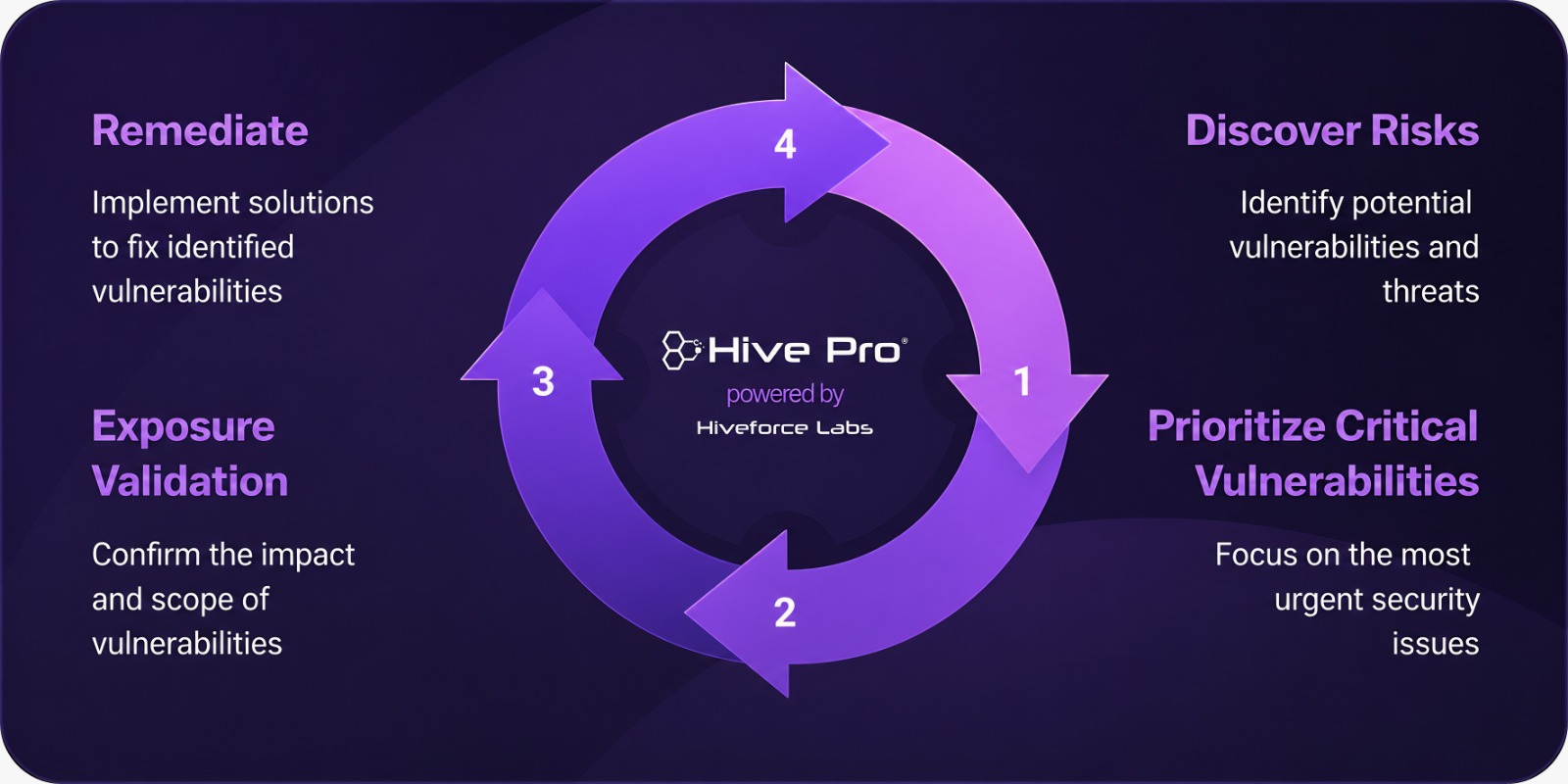
For years, cybersecurity has been a reactive game. A new vulnerability is announced, and security teams scramble to patch it. The problem is, with thousands of new vulnerabilities discovered every year, this approach is no longer sustainable. CTEM flips the script by creating a continuous feedback loop. It’s a five-phase program that helps you consistently identify, prioritize, validate, and remediate security exposures across your entire digital footprint. This proactive cycle ensures you’re always strengthening your defenses based on the most current and relevant threats, helping your business stay ahead of attackers by constantly checking for weaknesses and adjusting your security controls.
A strong CTEM platform isn’t just another tool to add to your stack; it’s a central hub that brings clarity to your security operations. It follows a five-step cycle to methodically reduce your exposure: Scoping, Discovery, Prioritization, Validation, and Mobilization. An effective platform should integrate with the security tools you already use, like vulnerability scanners and SIEMs, to pull all that data into one place. This allows you to continuously discover all your digital assets, from on-premise servers to cloud instances. More importantly, a platform like Hive Pro’s Uni5 Xposure helps you prioritize risks based on real-time threat intelligence and validate your security controls to ensure they actually work.
Choosing the right Continuous Threat Exposure Management (CTEM) tool can feel overwhelming. The market is filled with options, each claiming to be the ultimate solution for reducing your attack surface. The truth is, the “best” tool really depends on your organization’s specific needs, existing security stack, and overall maturity. Are you struggling with asset discovery? Do you need to get better at prioritizing a massive backlog of vulnerabilities? Or is your main goal to validate that your security controls are actually working as expected?
To help you get a clearer picture of what’s out there, I’ve put together a list of some of the top CTEM platforms. This isn’t an exhaustive list, but it covers the major players and highlights what makes each one stand out. Think of this as your starting point for research. As you read through, consider how each tool’s core strengths align with your biggest security challenges. The goal is to find a platform that not only identifies your exposures but also gives your team a clear, actionable path to remediation, turning your security program from a reactive fire drill into a proactive, strategic operation.
Hive Pro stands out because its Uni5 Xposure Platform is built from the ground up to follow Gartner’s CTEM framework. It’s currently the only platform that covers all five stages (Scoping, Discovery, Prioritization, Validation, and Mobilization) in a single, unified solution. This end-to-end approach means you don’t have to stitch together multiple tools to get a complete picture of your threat exposure. It’s designed to give security teams a single source of truth, from identifying assets and vulnerabilities to validating controls and orchestrating remediation. This makes it a strong choice for organizations looking for a comprehensive platform to manage their entire exposure lifecycle without the complexity of integrating disparate systems.
Nagomi Security is a solid contender, particularly for its focus on providing clear, actionable guidance. The platform excels at showing you where your weaknesses are and testing your existing defenses to see how they hold up against real-world attack scenarios. Where it really shines is in its ability to translate complex security data into straightforward steps for remediation. If your team often struggles with knowing what to fix first, Nagomi’s focus on prioritizing urgent problems and providing clear instructions can help cut through the noise and focus your efforts where they’ll have the most impact on your security posture.
SentinelOne Singularity takes a modern, AI-driven approach to threat exposure management. Its core strength lies in its ability to automatically detect and respond to threats across your entire digital estate, from endpoints to cloud workloads. By leveraging artificial intelligence, the platform can operate with a high degree of autonomy, which is a huge advantage for security teams that are stretched thin. If you’re looking for a solution that can handle threat hunting and response with minimal human intervention, SentinelOne’s focus on AI-powered automation makes it a compelling option for organizations that need to secure a diverse and distributed environment.
Rapid7’s InsightVM is well-known in the vulnerability management space, and for good reason. Its key feature is an advanced risk-scoring system that goes beyond standard CVSS scores. The platform analyzes the context of a vulnerability within your specific environment, considering factors like asset criticality and which threats are actively being exploited in the wild. This helps you prioritize remediation efforts based on the actual risk to your business, not just a generic severity rating. For teams drowning in a sea of vulnerabilities, InsightVM’s intelligent prioritization can be a game-changer, ensuring you’re always working on the fixes that matter most.
Cymulate is a great choice if your primary goal is to test and validate your security controls. The platform specializes in Breach and Attack Simulation, running continuous, automated tests that mimic the latest attacker techniques. This allows you to see exactly how your security stack would perform during a real attack and identify gaps before an adversary can exploit them. By continuously challenging your defenses, Cymulate helps you move beyond assumptions and gain concrete evidence of your security effectiveness. It’s ideal for organizations that want to proactively harden their defenses and ensure their security investments are delivering real value.
Tenable.io is a powerhouse when it comes to asset visibility and vulnerability discovery. The platform is excellent at identifying every asset across your attack surface, including cloud environments, IoT devices, and operational technology. It’s particularly strong at finding new or previously unknown assets, ensuring you don’t have any blind spots. Tenable then enriches this asset data with real-time threat intelligence, giving you a comprehensive view of your exposure. For large, complex organizations that struggle with maintaining an accurate asset inventory, Tenable.io provides the foundational visibility needed to build an effective exposure management program.
Qualys VMDR (Vulnerability Management, Detection, and Response) brings together several critical security functions into a single, integrated application. Its main advantage is providing a unified view of your vulnerabilities across on-premises systems, cloud instances, and remote endpoints. Instead of juggling different tools for asset discovery, vulnerability scanning, and prioritization, Qualys combines them into one dashboard. This streamlined approach simplifies workflows and makes it easier for security teams to manage the entire vulnerability lifecycle from a single pane of glass. It’s a strong option for organizations looking to consolidate their security stack and improve operational efficiency.
Not all CTEM platforms are created equal. When you’re evaluating your options, it’s helpful to have a checklist of core capabilities. The right tool doesn’t just find vulnerabilities; it gives you a clear, continuous, and actionable path to reducing your overall risk. Here are the key features that separate a good CTEM tool from a great one, ensuring you get a comprehensive view of your threat exposure and the power to act on it.
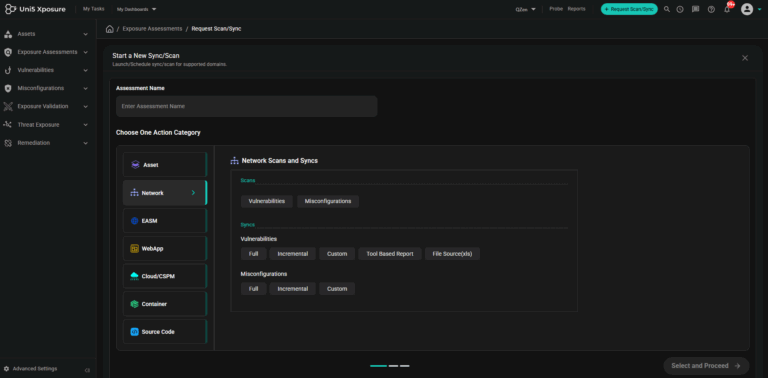
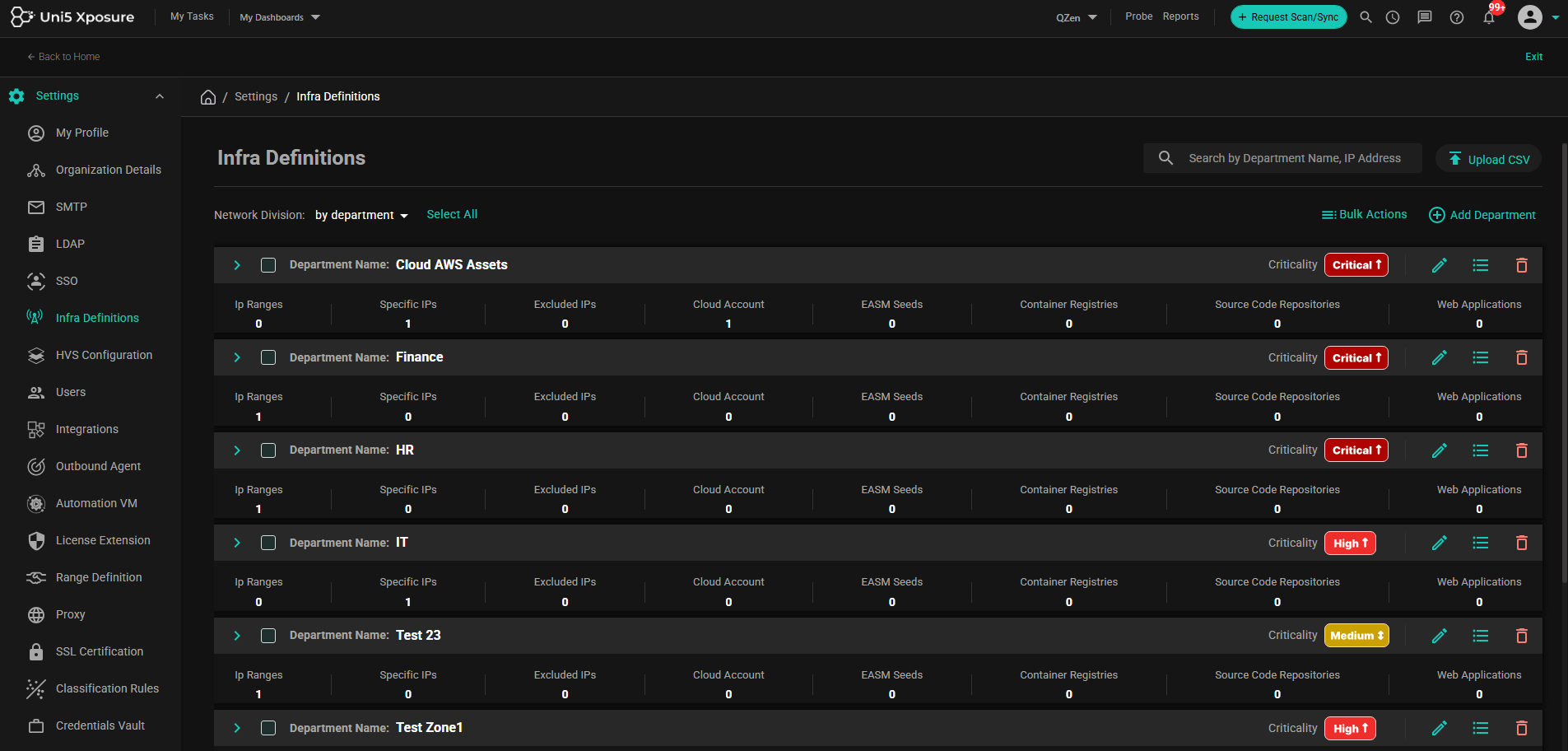
You can’t protect what you can’t see. A top CTEM tool continuously discovers and inventories every asset, from servers to cloud instances and shadow IT. An always-current map is the foundation of effective exposure management. This total attack surface management is non-negotiable for understanding where you might be vulnerable and closing visibility gaps before they can be exploited.
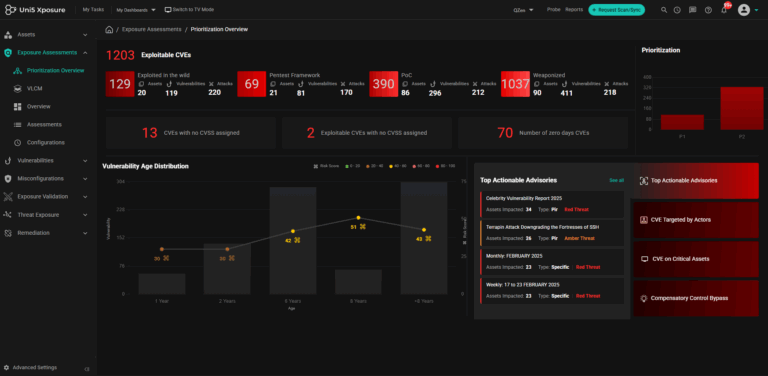
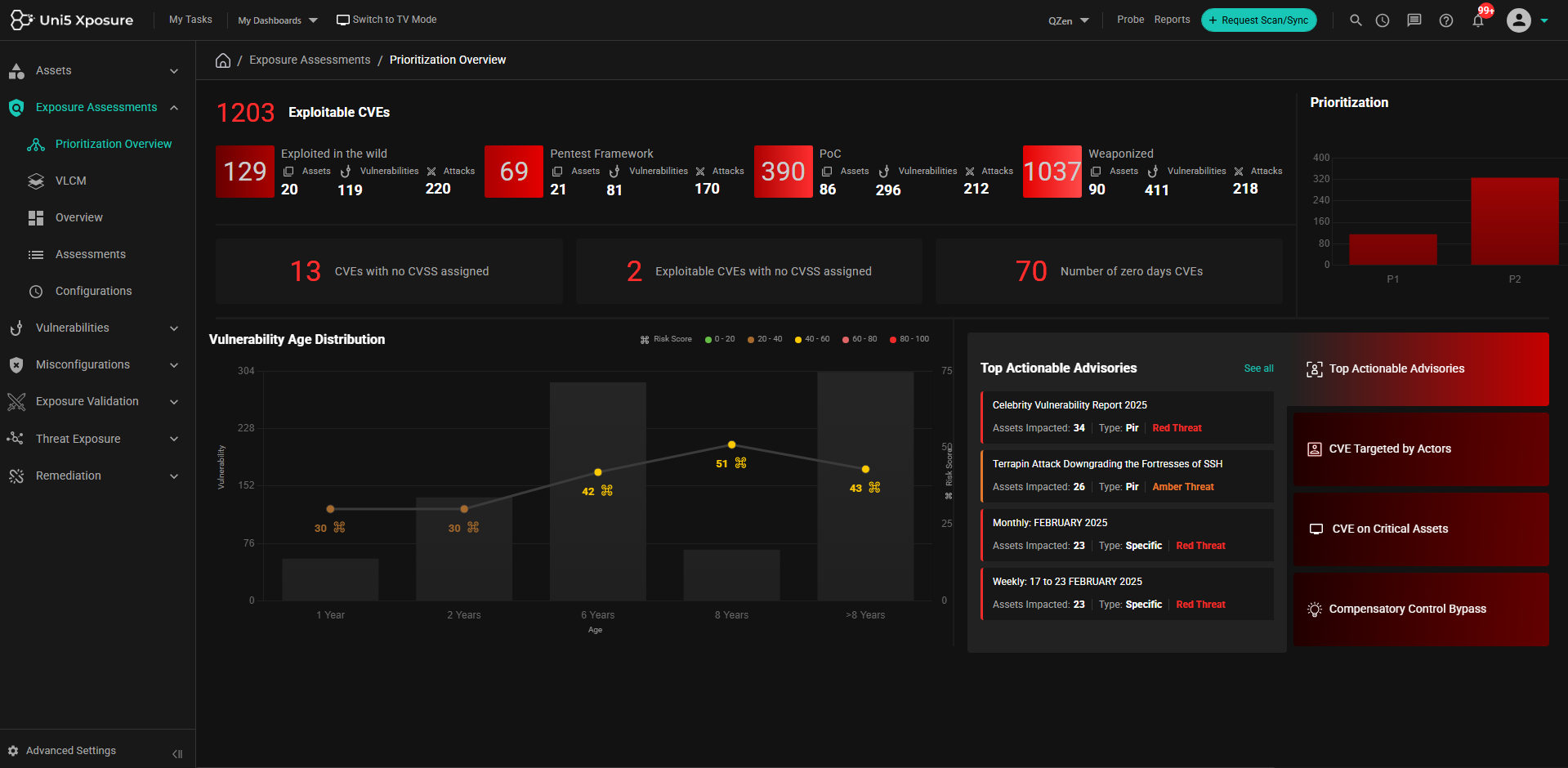
A long list of “critical” vulnerabilities is just noise. Your CTEM tool should tell you which risks matter now by using real-time threat intelligence. This means focusing on vulnerabilities actively exploited by attackers and considering the business context of each asset. This approach is central to effective vulnerability and threat prioritization, letting your team fix what’s most important first.
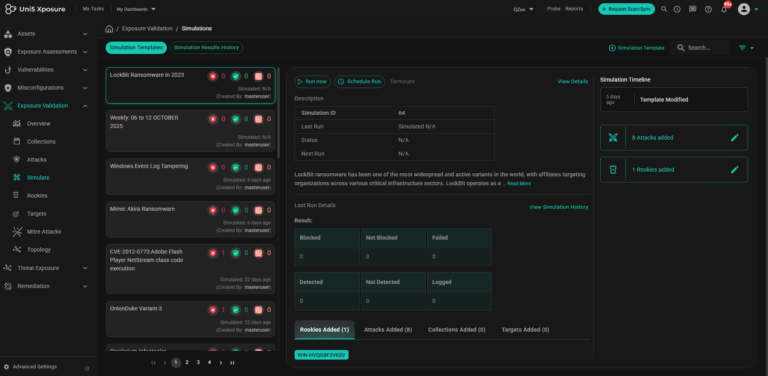
Your security tools are in place, but are they working? A CTEM platform should let you safely and continuously test your controls against specific attack techniques. This process of adversarial exposure validation shows you where your defenses are strong and where the gaps are. It’s like a fire drill for your security stack, ensuring it performs when needed.
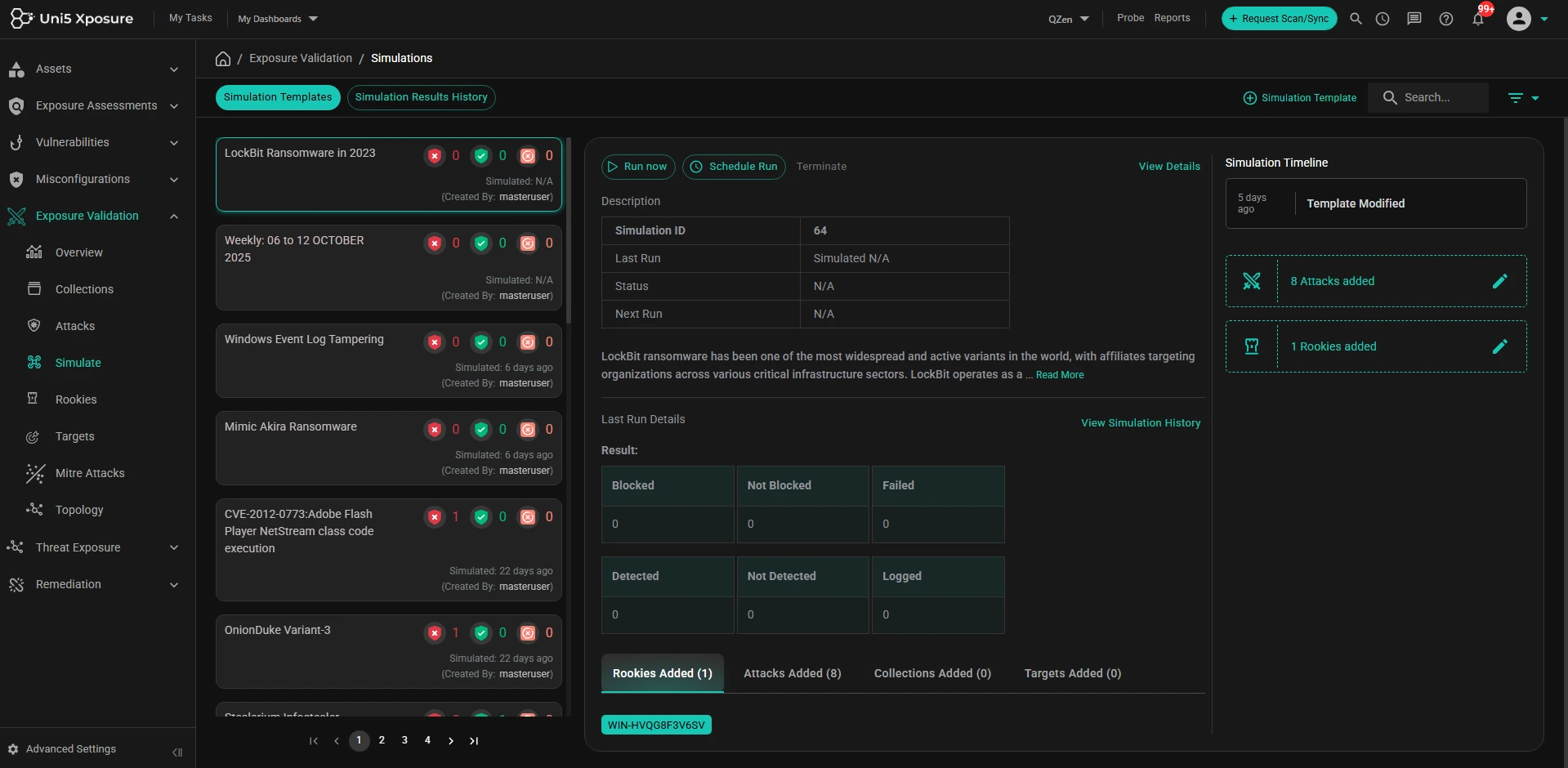
To truly test your resilience, you need to simulate a realistic attack. The best CTEM tools include Breach and Attack Simulation (BAS) to safely mimic the tactics used by real-world adversaries in your live environment. This provides a clear picture of how an attacker might move through your network, allowing you to find and fix weak points before they are exploited.
A CTEM platform shouldn’t replace your security stack; it should make it smarter. Look for a tool that integrates with solutions you already use, like scanners and SIEMs. By acting as a central hub, a CTEM platform pulls in data, removes noise, and adds risk-based prioritization. This creates a single source of truth and streamlines your team’s workflow from detection to remediation.
Shifting from a traditional vulnerability management program to a CTEM framework isn’t about throwing out your existing tools. It’s about making them work smarter. A CTEM approach enhances your current processes by adding layers of intelligence, validation, and prioritization that legacy methods often lack. Instead of just generating long lists of vulnerabilities, CTEM helps you understand your true exposure by answering critical questions: Which of these vulnerabilities are attackers actually exploiting? Are my security controls strong enough to stop them? And where should my team focus its limited time and resources for the biggest impact?
By integrating threat intelligence and attack simulation, you move beyond a simple “scan and patch” cycle. You start operating a proactive program that continuously identifies, prioritizes, validates, and addresses security gaps across your entire attack surface. This strategic shift helps you get ahead of threats, reduce noise for your security teams, and demonstrate a measurable reduction in risk to the business. It transforms vulnerability management from a reactive chore into a core pillar of your proactive security strategy.
Your vulnerability scanner might find thousands of potential weaknesses, but most of them will never be exploited. This is where threat intelligence becomes essential. A strong CTEM platform ingests real-time data on active exploits, attacker tactics, and emerging threats to pinpoint which vulnerabilities pose a genuine, immediate risk to your organization. By correlating this external intelligence with your internal asset data, you can prioritize remediation efforts effectively. Instead of working through an endless CVE list, your team can focus on the critical few exposures that attackers are targeting right now. This intelligence-driven approach is powered by dedicated research teams like HiveForce Labs, ensuring your priorities are always aligned with the current threat landscape.
Finding a vulnerability is one thing; knowing if it can be exploited in your environment is another. Breach and Attack Simulation (BAS) is a key part of the validation stage in CTEM. BAS tools safely and continuously simulate real-world attack techniques to test whether your security controls, like firewalls and EDR systems, are configured correctly and working as expected. This provides concrete proof of your security posture. For example, a BAS test can confirm if a specific vulnerability is truly exploitable or if compensating controls are effectively mitigating the risk. This process of adversarial exposure validation moves you from assumptions to certainty, allowing you to verify your defenses and close gaps before an actual attacker finds them.

Traditional vulnerability management often operates in a silo, focused on scanning assets and patching CVEs. True exposure management, guided by a CTEM framework, is a much more holistic and continuous process. It’s a five-phase program that systematically identifies, prioritizes, validates, and remediates security exposures across your entire environment. This requires a platform that can manage the full lifecycle, from discovering your total attack surface to orchestrating remediation workflows. By adopting this structured, cyclical approach, you create a sustainable program that doesn’t just find vulnerabilities but actively reduces your organization’s overall threat exposure over time.
Choosing a Continuous Threat Exposure Management (CTEM) platform is a significant investment, and it’s about more than just the sticker price. You’re not just buying another piece of software; you’re adopting a proactive strategy to secure your organization. To make the right choice, you need to look at the complete picture, comparing not just the initial cost but the long-term value and total cost of ownership. A platform that seems cheaper upfront might end up costing you more in manual work, missed threats, or integration headaches. Thinking through the pricing models, hidden costs, and potential return on investment will help you build a solid business case and select a partner that truly strengthens your security posture.
When you start evaluating CTEM platforms, you’ll find that pricing isn’t always straightforward. Most vendors use a subscription model, but what that subscription includes can vary widely. Common models include pricing per asset, per user, or tiered packages based on features. The price often reflects the tool’s scope, since a true CTEM program is a proactive, five-phase cycle that continuously identifies, prioritizes, validates, and helps remediate security exposures. A comprehensive platform that covers the entire attack surface and offers advanced features like breach simulation will naturally be priced differently than a simpler vulnerability scanner. Look for a vendor with transparent pricing that can scale with your organization as it grows.
The subscription fee is just one piece of the puzzle. To understand the true cost, you need to calculate the total cost of ownership (TCO). This includes the initial setup and implementation fees, which can sometimes require professional services. You should also factor in the time and resources needed for your team’s training and onboarding. Think about ongoing costs, too, like maintenance, support packages, and the effort required to integrate the platform with your existing security stack. Choosing a unified CTEM platform can actually lower your TCO by reducing the need to manage and integrate multiple point solutions, giving your team a single source of truth and saving valuable time.
The real value of a CTEM platform comes from its return on investment. The most obvious ROI is preventing a costly data breach, but there are other, more immediate benefits you can measure. A strong platform streamlines your security workflows, which means your team spends less time chasing down false positives and more time fixing what matters. For example, Hive Pro can help you reduce your vulnerabilities by 95% and quickly identify the top 1% of risks you’re most likely to be attacked on. This level of focus allows for better resource allocation and dramatically speeds up remediation times, directly improving your team’s efficiency and effectiveness.
When you compare CTEM platforms, you’ll notice they all promise to reduce your attack surface. But how they get there varies. Some are fast but don’t integrate well with your existing tools. Others are comprehensive but have a steep learning curve. Finding the right fit means looking past the marketing and asking tough questions about performance, integration, and usability. Let’s break down what to look for so you can choose a platform that works for your team, not against it.
Your security team is already at full speed, so any new tool needs to deliver value fast. A top-tier CTEM platform should pinpoint your most critical risks almost immediately. Some platforms can identify the top 1% of risks you’re most likely to be attacked on in less than a day. As your business grows, your attack surface expands. Your CTEM tool must keep up, handling more assets and data without slowing down. Look for a solution with rapid scanning and prioritization to ensure your security measures can scale effectively with your organization.
A CTEM platform shouldn’t be another isolated tool. It should be a central hub connecting to the tools you already use, like vulnerability scanners and SIEMs. The goal is to break down data silos and enrich the information you’re collecting. A strong platform pulls everything together, removes duplicate findings, and adds risk-based prioritization, making your entire security ecosystem more effective. A truly integration-friendly platform enhances your current investments and creates a unified view of your security posture.
The most powerful platform won’t help if your team finds it too complicated. Look for a solution with a straightforward implementation and an intuitive interface. A clean dashboard that clearly visualizes risk makes a huge difference in daily operations. The best tools also integrate with your existing workflows, like ticketing systems such as Jira or ServiceNow. This lets you assign remediation tasks and track progress without forcing your team to learn a new process. An easy-to-adopt platform ensures you can achieve comprehensive exposure assessment without a painful onboarding.
Bringing a new platform into your security ecosystem is rarely as simple as flipping a switch. While a Continuous Threat Exposure Management (CTEM) tool is designed to simplify your life, the implementation phase comes with its own set of challenges. Getting a CTEM program going can be tricky. You might face issues with connecting it to your current tools, training your team, and getting everyone to accept new ways of working. Being aware of these potential hurdles is the first step to building a smooth, successful rollout plan that turns your new platform into a core part of your security strategy.
The first hurdle is often technical. Your CTEM platform needs to talk to your existing security stack, from scanners and firewalls to ticketing systems. This requires careful planning to ensure seamless data flow and avoid creating new information silos. Beyond the technical setup, there’s the human side of adoption. Choosing a CTEM platform isn’t just about adding another tool. It’s about shifting your team’s mindset from chasing individual alerts to proactively managing your total attack surface. This change requires clear communication about the value of the new approach and how it empowers your team to focus on the threats that truly matter.
A new tool is only as good as the team using it. Effective training goes beyond a simple product demo. Your teams need to understand the “why” behind the new workflows and how to interpret the platform’s insights to make smarter decisions. Since CTEM touches multiple departments, including security, IT operations, and DevOps, cross-functional coordination is essential. A successful implementation breaks down silos by creating a shared understanding of risk and responsibility. The right CTEM platform provides a unified view that gives everyone the same data to work from, making collaboration much more straightforward.
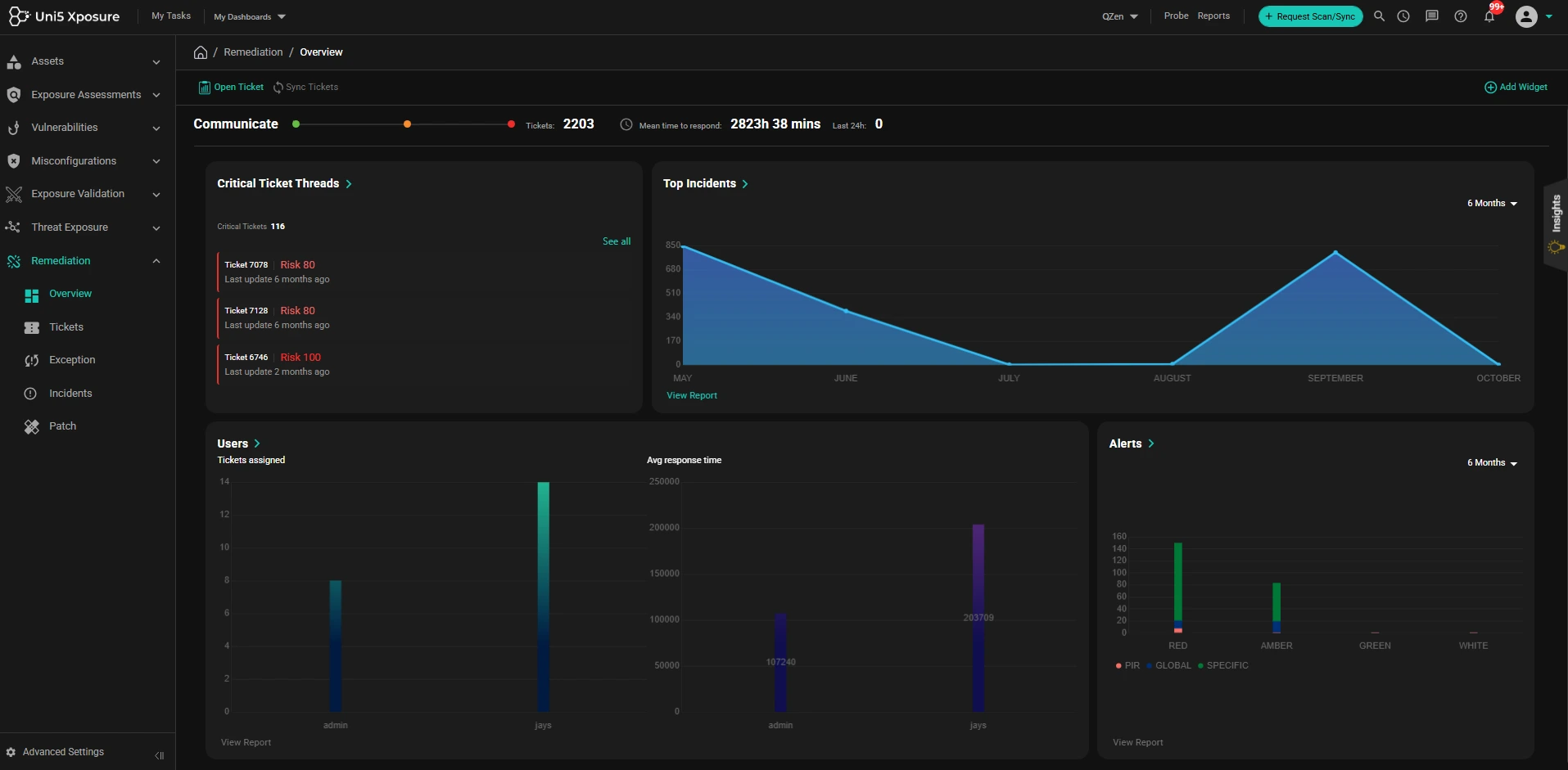
To make your CTEM program stick, you need clear processes and defined roles. This means defining who is responsible for what, setting realistic timelines for fixes, and integrating the CTEM platform with your existing ticketing systems like Jira or ServiceNow. A smooth workflow ensures that when a critical threat is identified, everyone knows exactly what to do next. This structure is what turns insight into action. By establishing these processes upfront, you create a clear path for vulnerability and threat prioritization, helping your team move faster and more efficiently to reduce exposure before an attack can happen.
Once you’ve implemented a CTEM tool, the next step is to prove it’s actually working. You need clear, quantifiable metrics to show progress, justify the investment, and fine-tune your strategy. It’s not just about having the technology; it’s about demonstrating its impact on your security posture. By tracking the right key performance indicators (KPIs), you can turn your security efforts into a compelling story of risk reduction for your leadership team.
One of the most straightforward ways to measure success is by tracking your Mean Time to Remediate (MTTR). How quickly is your team closing critical security gaps after they’re discovered? A strong CTEM platform should drastically shorten this timeline by providing clear, prioritized guidance. This means defining who is responsible for what, setting realistic timelines for fixes, and integrating the CTEM platform with your existing ticketing systems like Jira or ServiceNow. When your team isn’t wasting time debating which vulnerability to fix first, they can get straight to remediation. A falling MTTR is a clear sign that your vulnerability prioritization process is becoming more efficient and effective.
Beyond speed, you need to measure the overall reduction in your organization’s risk. Are you actually safer today than you were last quarter? Your CTEM tool should provide dashboards that track your exposure score over time. Look for a consistent downward trend in the number of critical and high-severity vulnerabilities, especially on your most important assets. This shows you’re not just patching randomly but are systematically eliminating the most significant threats. A comprehensive threat exposure management platform gives you a unified view of this progress, making it easy to see how your efforts are shrinking your attack surface and reducing the likelihood of a breach.
Your CISO and board members need to see the business value of your CTEM investment. You can demonstrate this by translating your security metrics into business outcomes. To show CTEM is worth the money, track things like how much faster you fix problems, how many fewer critical vulnerabilities you have, and how much better your overall security is. Instead of just reporting on the number of patches applied, create reports that show a 30% reduction in critical risks to customer data or a 50% faster response to zero-day threats. This helps your leaders understand the platform’s business value and its role in protecting the organization’s bottom line.
Picking the right Continuous Threat Exposure Management (CTEM) tool is more than just a software purchase; it’s a strategic decision that shapes your entire security posture. The best platform for your organization will feel like a natural extension of your team, fitting your specific size, industry, and budget. Instead of getting swayed by the tool with the most features, focus on finding the one that solves your unique challenges. Let’s walk through the key factors to consider so you can make a choice with confidence.
A small business with a straightforward IT environment has very different needs than a multinational corporation with a sprawling, complex network. Your company’s size and operational complexity should be the first filter in your search. A good CTEM platform empowers security leaders with clear visibility into their total attack surface, helping to eliminate dangerous blind spots. For smaller teams, a tool that is easy to deploy and manage is crucial. Larger enterprises should prioritize scalability, advanced customization, and the ability to integrate with a wide array of existing systems. Ask potential vendors how their platform handles growth and complexity.
Every industry faces unique threats and regulatory requirements. A healthcare organization must prioritize HIPAA compliance, while a financial services firm is bound by PCI DSS and other regulations. Your CTEM tool should support these specific needs. Look for a platform that offers robust vulnerability and threat prioritization based on real-world exploitability relevant to your sector. The right tool will not only help you defend against likely attack vectors but also simplify compliance reporting by mapping security controls to specific regulatory frameworks. This ensures your efforts are focused on what truly matters for your business.
Finally, let’s talk about the practicalities: time and money. CTEM is a comprehensive, multi-phase program, and pricing often reflects the platform’s scope. When evaluating costs, think beyond the initial subscription fee. Consider the total cost of ownership, which includes implementation, team training, and any necessary integrations. Ask for a clear implementation roadmap and be realistic about what your team can handle. A powerful tool is only effective if it’s properly configured and adopted. Look for a vendor that offers transparent pricing and a supportive onboarding process to ensure you get value from your Uni5 Xposure Platform investment from day one.
How is CTEM different from the vulnerability management I’m already doing? Think of it as an evolution. Traditional vulnerability management often gives you a long, static list of potential problems based on scans. A CTEM program is a continuous, five-step cycle that adds critical context. It doesn’t just find vulnerabilities; it helps you see your entire attack surface, prioritizes risks based on active threats, validates that your security controls actually work, and helps you organize the remediation process. It shifts the focus from simply patching everything to strategically reducing your real-world exposure.
Will implementing a CTEM platform mean I have to replace my current security tools? Not at all. A good CTEM platform is designed to be the brain of your security operations, not a replacement for your existing tools. It should integrate with the solutions you already have, like vulnerability scanners, SIEMs, and cloud security tools. By pulling all that data into one place, it enriches the information, removes duplicate findings, and applies a layer of risk-based intelligence. This makes your entire security stack smarter and more efficient.
My team is already swamped with alerts. Won’t this just add more noise? This is a common concern, but a CTEM platform is designed to solve this exact problem. Its main job is to cut through the noise. Instead of giving you another long list of “critical” alerts, it uses real-time threat intelligence to show you which vulnerabilities are actually being exploited by attackers. This allows your team to stop chasing down thousands of low-risk issues and focus their limited time on the handful of threats that pose a genuine danger to your business.
What does it mean to “validate” security controls, and why is that important? Validation is about moving from assumption to certainty. You assume your firewall or endpoint protection is working, but how do you know for sure? A CTEM platform uses techniques like Breach and Attack Simulation (BAS) to safely run tests that mimic real attacker behaviors in your environment. This process shows you exactly where your defenses would hold up and where they would fail, allowing you to find and fix gaps before an attacker can exploit them. It’s like having a continuous, automated penetration test.
What’s the most important thing to consider when choosing a CTEM tool? The most important factor is finding a tool that solves your organization’s biggest security challenges. Don’t get distracted by a long list of features. Instead, be clear about your primary goal. Are you struggling with discovering all your assets? Do you need help prioritizing a massive backlog of vulnerabilities? Or is your main objective to test if your security controls are effective? The right platform will align with your specific needs, your company’s size, and your team’s maturity level.