The Impact of Artificial Intelligence on Cybersecurity

Abstract:
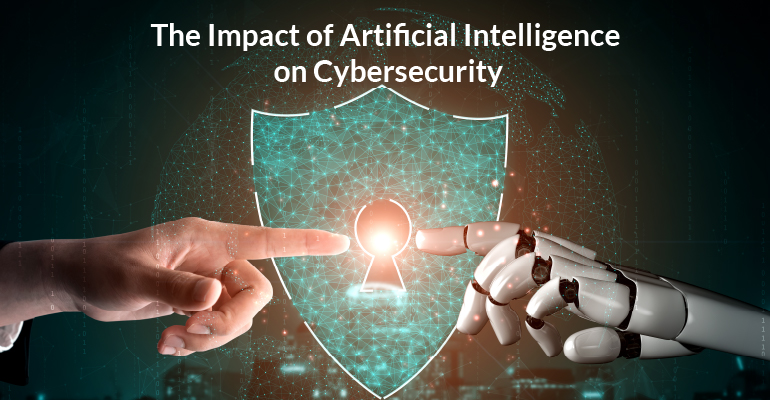
Artificial Intelligence (AI) has been a game-changer in many industries, and cybersecurity is no exception. AI has revolutionized the way organizations approach security, providing new and innovative solutions for detecting and mitigating cyber threats. However, with its increasing use, it is crucial to understand the impact of AI on cybersecurity and the potential risks and benefits it brings. In this article, we will examine the current state of AI in cybersecurity, its potential benefits, and the challenges it presents.
Introduction:
Artificial Intelligence (AI) has been a hot topic in recent years, with its potential to revolutionize various industries. In cybersecurity, AI has the potential to provide advanced solutions for detecting and mitigating cyber threats. The best AI cybersecurity tools combine machine learning with threat intelligence to deliver proactive protection, making it a valuable tool for organizations. With the increasing use of AI in cybersecurity, it is important to understand its impact on the field and the potential risks and benefits it brings.
Benefits of AI in Cybersecurity:
One of the primary benefits of AI in cybersecurity is its ability to detect and mitigate cyber threats in real-time. AI algorithms are able to analyze vast amounts of data and identify patterns and anomalies that may indicate a threat. This allows organizations to respond quickly to potential threats, reducing the risk of a successful attack.
Another benefit of AI in cybersecurity is its ability to automate many routine and repetitive tasks, freeing up security professionals to focus on more complex tasks. For example, AI can automate the process of updating security software, freeing up time for security professionals to focus on more critical tasks.
Challenges of AI in Cybersecurity:
While AI has the potential to bring many benefits to cybersecurity, there are also several challenges that need to be addressed. One of the primary challenges is the potential for AI algorithms to be biased or make errors, leading to false positives or negatives. This can result in organizations taking inappropriate actions or failing to detect genuine threats.
Another challenge of AI in cybersecurity is its susceptibility to hacking. Since AI algorithms rely on vast amounts of data to make decisions, they can be vulnerable to data tampering and other forms of hacking. This makes it crucial for organizations to have robust security measures in place to protect AI systems from cyber threats.
Conclusion:
In conclusion, AI has the potential to revolutionize cybersecurity, providing advanced solutions for detecting and mitigating cyber threats. However, organizations need to be aware of the potential risks and benefits of AI and take appropriate measures to protect their systems. As AI continues to evolve, it will be important for organizations to stay informed of the latest developments in the field and implement best practices to ensure the security of their systems.
References:
- Bostrom, N., & Russell, S. (2015). Superintelligence: Paths, Dangers, Strategies. Oxford University Press.
- Gartner. (2019). Market Guide for Vulnerability Assessment. Gartner.
- McAfee. (2018). Artificial Intelligence and Machine Learning in Cybersecurity. McAfee.
- SANS Institute. (2017). Artificial Intelligence in Cybersecurity: Opportunities, Challenges, and Risks. SANS Institute.
Author: Sarfaraz Kazi







.svg)