From Fragments to Focused: How Acme Financial Elevated Its Cybersecurity with Hive Pro

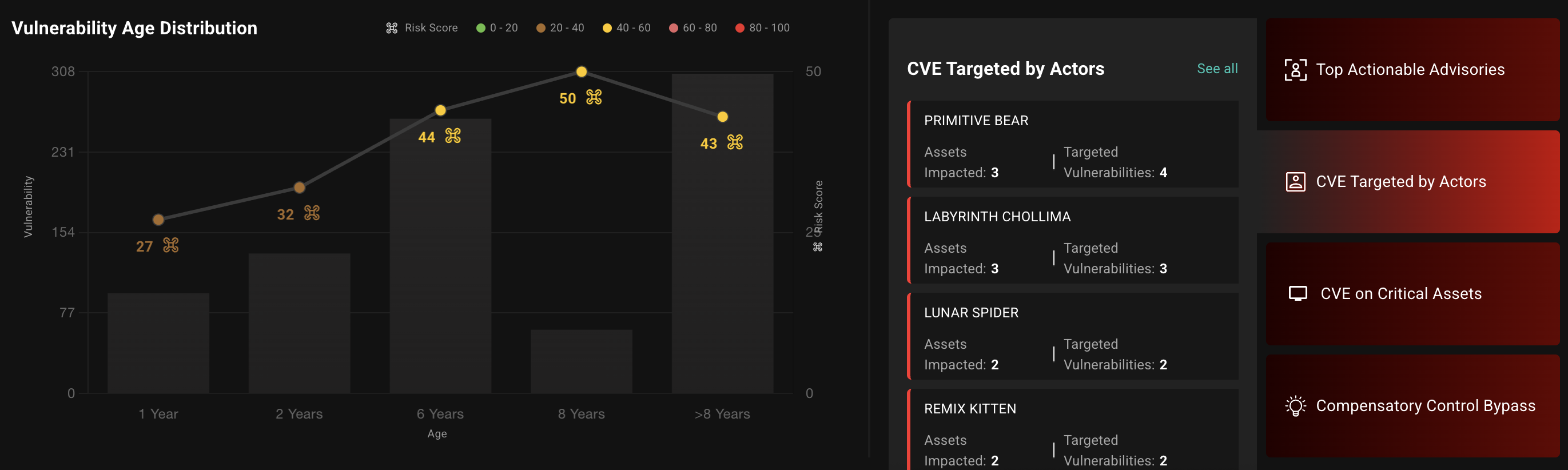
In today’s complex threat landscape, even the most well-equipped organizations struggle with aligning tools, teams, and intelligence. Acme Financial (alias name), a leading institution in the Middle East, was no different. Despite investing in top-tier security tools, their cybersecurity operations were siloed, manual, and lacked context.
The Disjointed Starting Point
Acme Financial’s security assessment tool stack included the following
- TenableSC for infrastructure vulnerability scanning
- SonarQube for static code analysis
- Burp Suite for dynamic application testing
- Pentesting was conducted periodically by internal and external teams, with reports created, tracked manually through Word documents and Excel sheets.
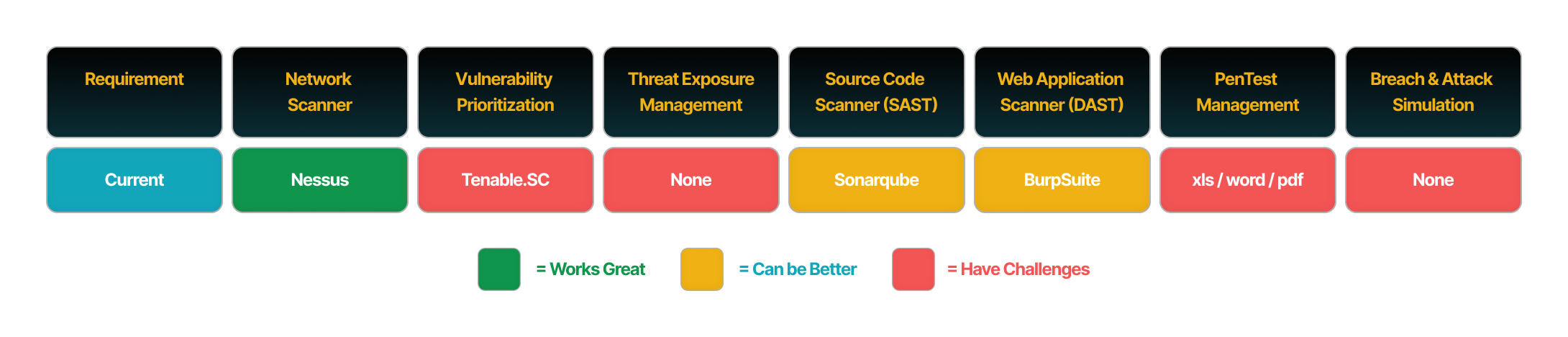
At first glance, the setup seemed comprehensive. But as the security team dug deeper, gaps became quite evident as these tools are working in silos.
- Vulnerabilities were being triaged based solely on CVSS , EPSS scores, with no understanding of the organisation's threat landscape and exploitability and business context.
- Exposure validation was missing—no way to test which vulnerabilities were actually attackable and which are shielded by existing security controls.
- Pentest reports were disconnected from remediation workflows, stored in files with no way to assign, track, or close findings systematically.
Teams spent excessive time navigating multiple consoles, each presenting risk in its own format, with no unified context.
"What Acme had was a collection of tools—not a unified and coordinated approach."
Hive Pro’s Threat Exposure Diagnosis
Hive Pro's team identified a crucial gap: the absence of a centralized Threat Exposure Management (TEM) platform that connects all these siloed scanner tools from code to cloud together.
For a financial institution operating in the Middle East, lacking visibility into real-world exploitability, industry-specific threats, and attacker behaviors posed a major risk.
The Hive Pro Approach
Rather than overhauling and replacing existing tools, Hive Pro’s strategy was rooted in consolidation and enhancement of the existing technologies:
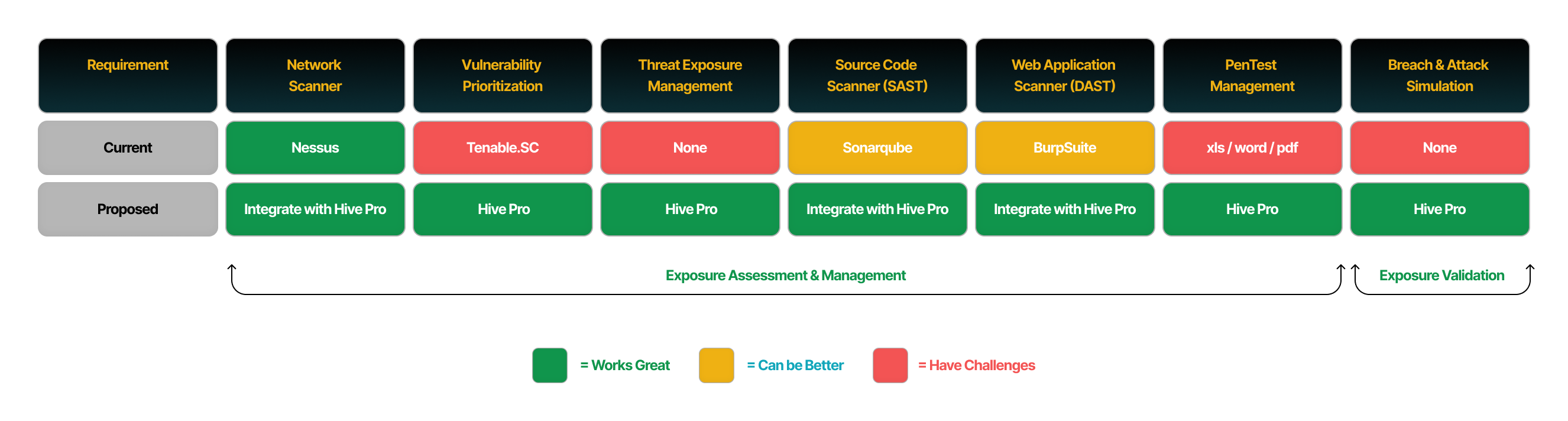
- Optimized tool investment and reduced spend: Because of Hive Pro's Uni5 Xposure Platform, the customer was able to reduce their Tenable.SC spend by moving to Nessus Professional which resulted in cost savings keeping scanning capabilities intact. Integration of Nessus Professional with the Hive Pro platform approach added threat context and organization’s internal business as well as security context on top of the vulnerabilities data for effective vulnerability management.
- Contextual threat exposure analysis: Vulnerabilities were enriched with industry-specific risk data, focused on financial services and regional threat landscape and campaigns in the Middle East, specific to even country level.
- Valid Threat Exposures: Leveraged the built-in Breach & Attack Simulation functionality to validate exploitability, test security controls, to identify the risk assets that need immediate remediation.
- Integrated assessment lifecycle: SonarQube and Burp Suite have been integrated into the Hive Pro platform, enabling end-to-end assessment lifecycle management from code to infrastructure to applications using a single unified console.
- Streamlined Pentest Operations: Hive Pro replaced XLS and manual workflows with a centralized Pentest Management module, where testers could be onboarded, tasks assigned, findings tracked, and remediation managed—all within the same platform.
The key Advantages & Tangible benefits
By deploying Hive Pro Uni5 Xposure, Acme Financial Group saw transformational improvements:
- Single Pane of Glass for all the Exposures: Unified Visibility, Prioritization and Remediation workflow across network devices, applications, source code and PenTest Assessments.
- Operational efficiency: Reduced time spent switching between tools, reconciling findings, or duplicating efforts
- Threat Exposures & Prioritization: Actionable remediation guidance based on exploitability, threat actor behavior, specific to industry, business vertical and geolocation as well as asset business risk, not just CVSS & generic scores
- Control validation: Built-in BAS capabilities helped the team identify ineffective security controls and measure actual attackable exposure
- Better reporting and visibility: Central dashboards and audit-ready reports made it easier for both technical teams and CISOs to make decisions.
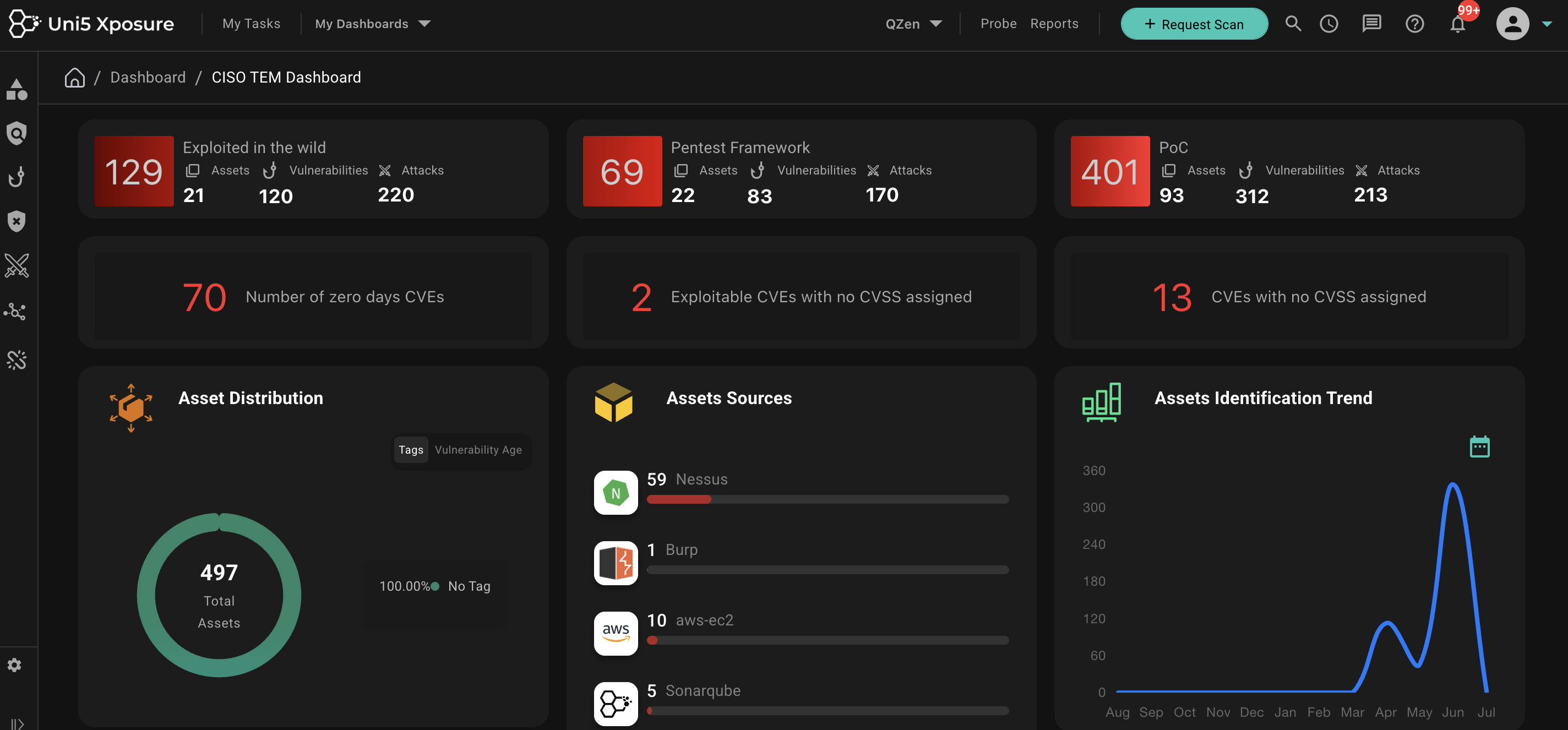
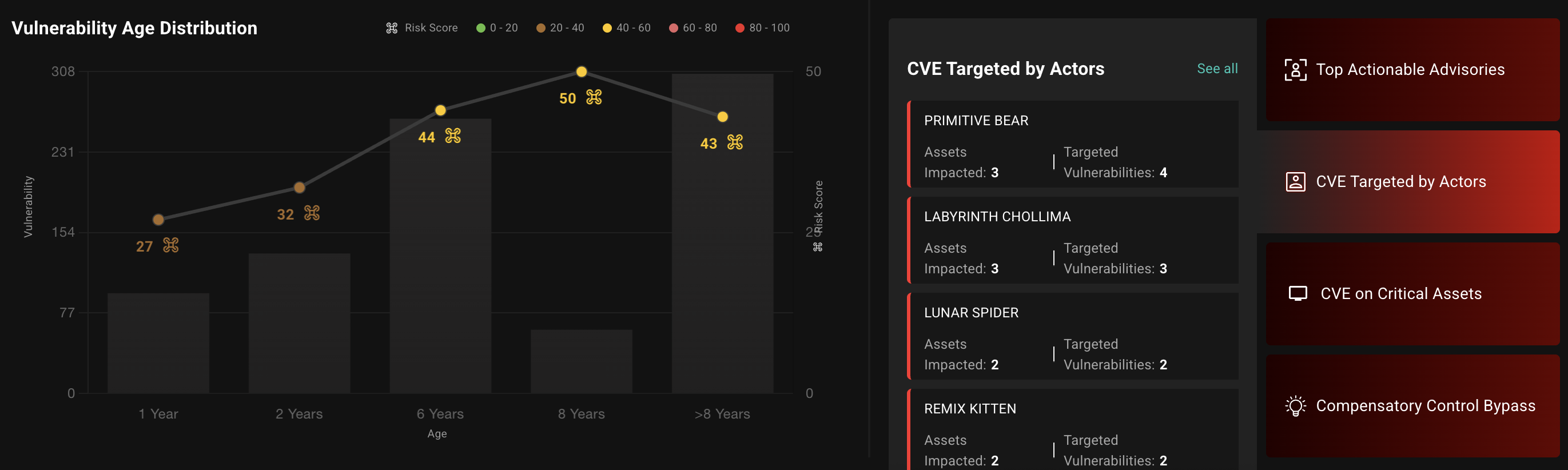
The above screenshot shows the Prioritization Overview of the enterprise exposures and the top actionable recommendations.
Request your personalized demo: https://hivepro.com/start-your-free-trial/
Conclusion
What Acme gained wasn’t just a tool, but a threat-informed decision-making engine for managing their exposures. Hive Pro Uni5 Xposure helped them move from reactive patching to strategic exposure reduction, streamlining both human effort and technology stacks.
For MSSPs or enterprises facing similar challenges, this journey is a powerful example of how Threat Exposure Management (TEM) can drive real-world outcomes—in risk reduction, operational alignment, and cyber resilience.







.svg)